
Info@Knottedrug.com


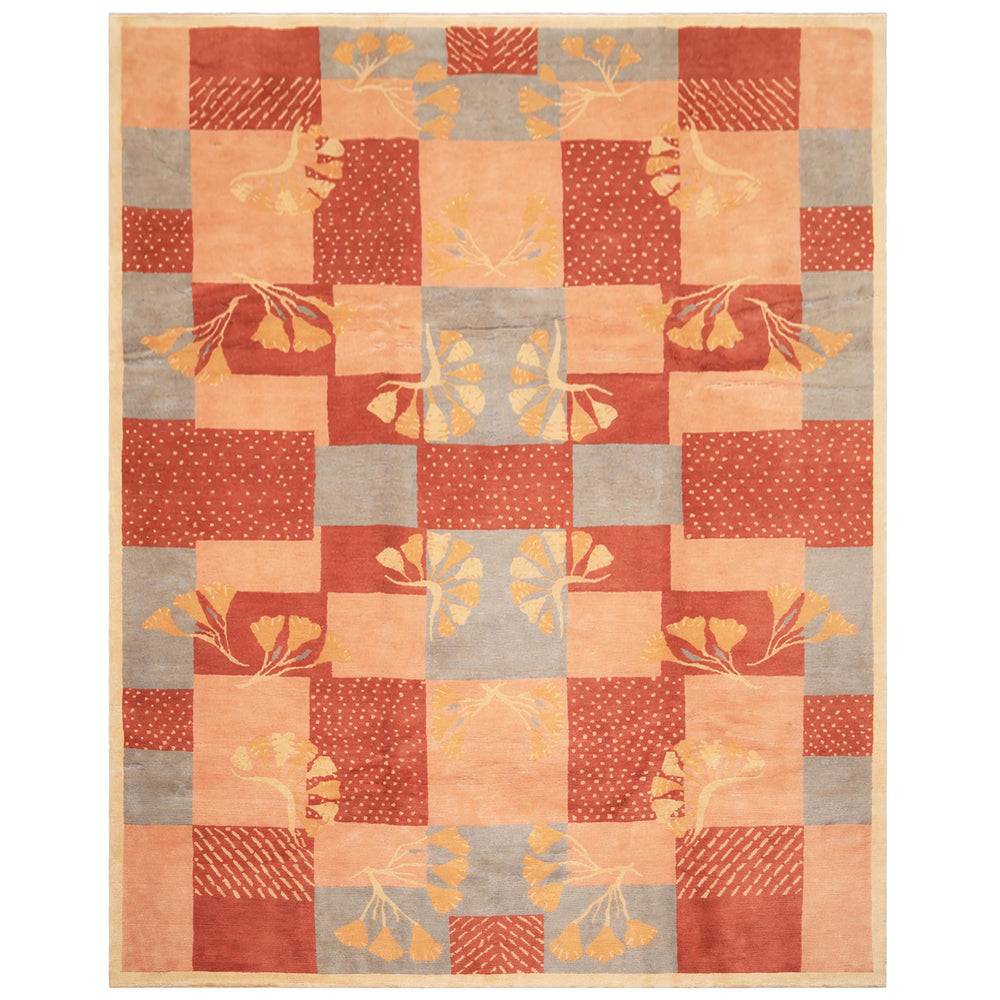
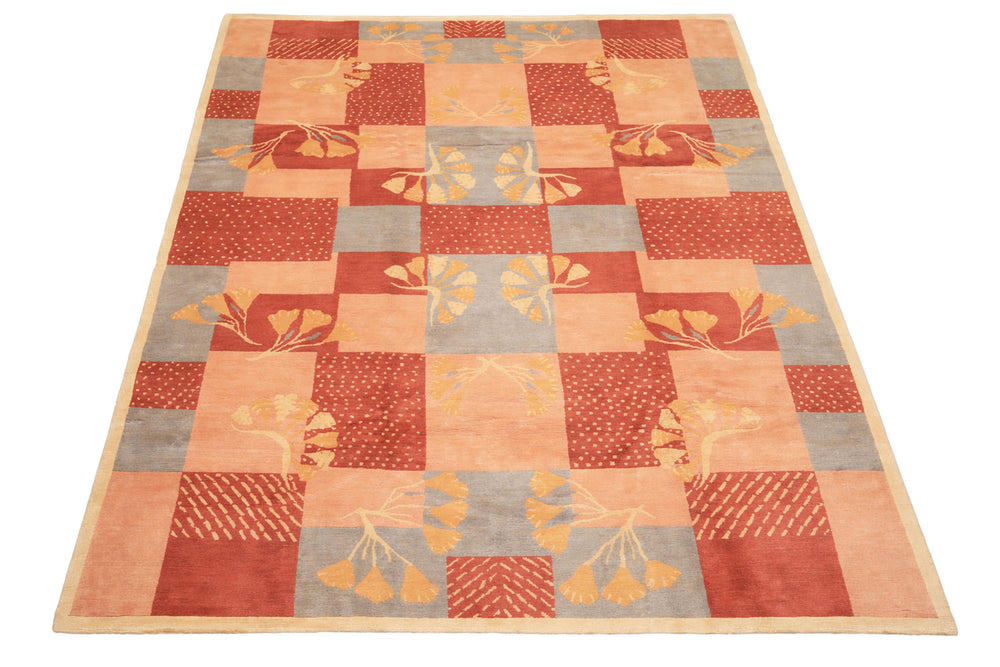
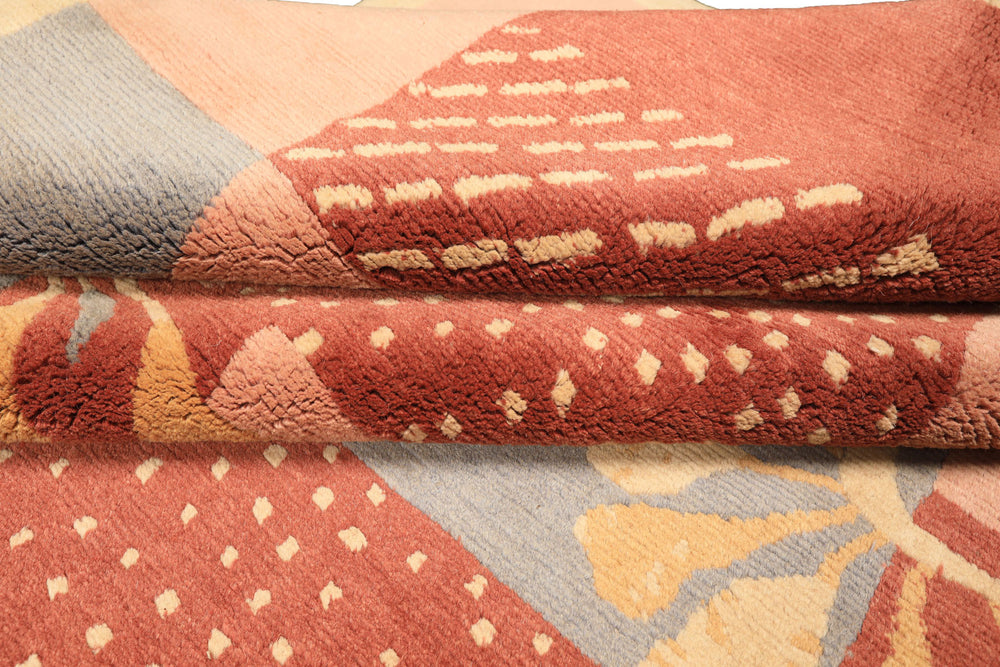
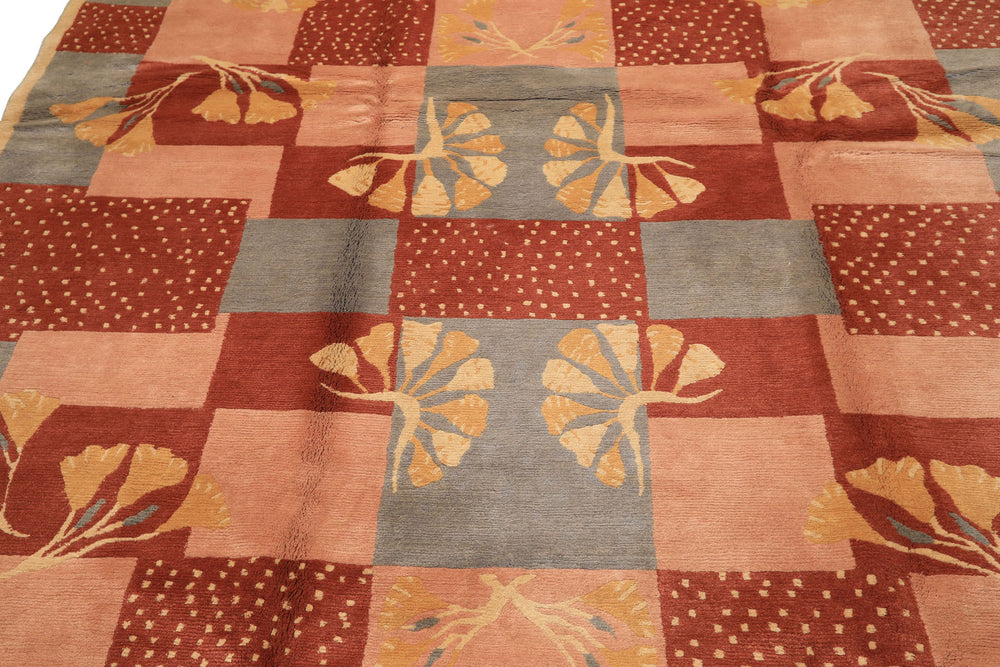
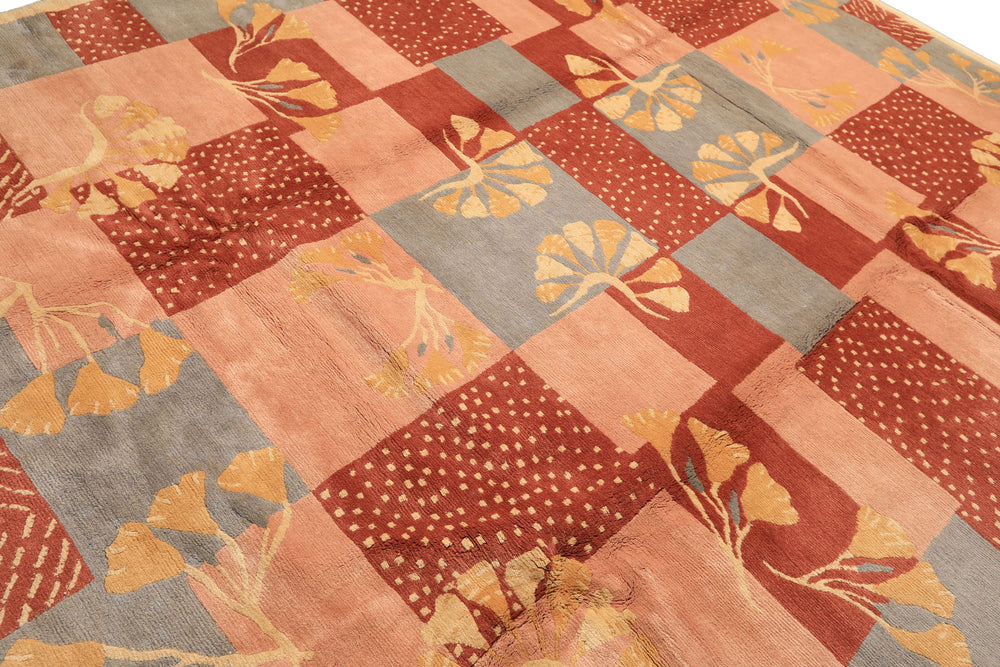
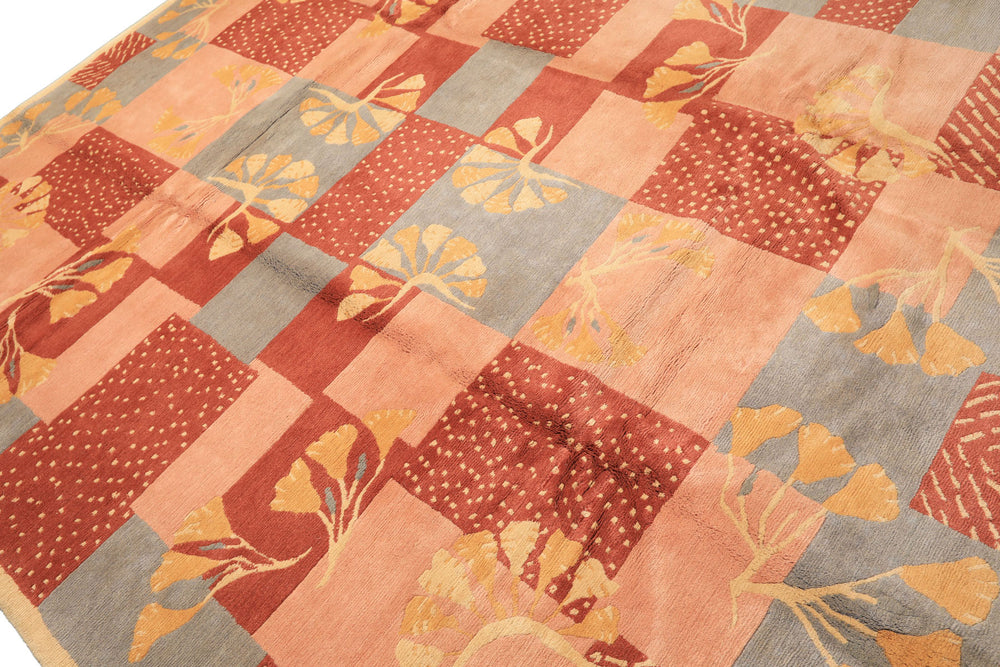
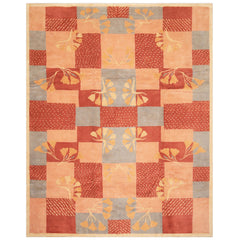
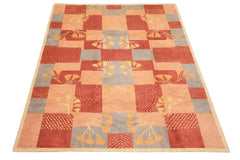
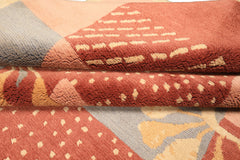
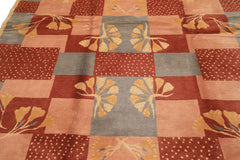
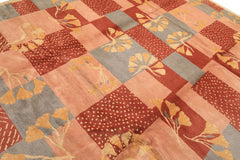
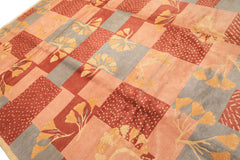
Knotted Rug Blush Rose Hand Knotted Wool Tibetan Transitional Plush Pile Michaelian & Kohlberg Swiss Wash Area Rug 7'11"x9'11"
- $1,499.99
$4,499.97- $1,499.99
- Unit price
- per
Please hurry! Only 2 left in stock
Subtotal:
$1,499.99
Couldn't load pickup availability


Description
xProduct Details
Product Identification
SKU #: KR21179
Style
Transitional
Weave
Hand Knotted
Colors
Primary color is Blush. Colors in this rug include: Rose, Blue, Gold, Ivory .
Material
Wool
Pile Height
0.75
Collection
Tibetan
Origin
Nepal
Condition
New
Condition Description
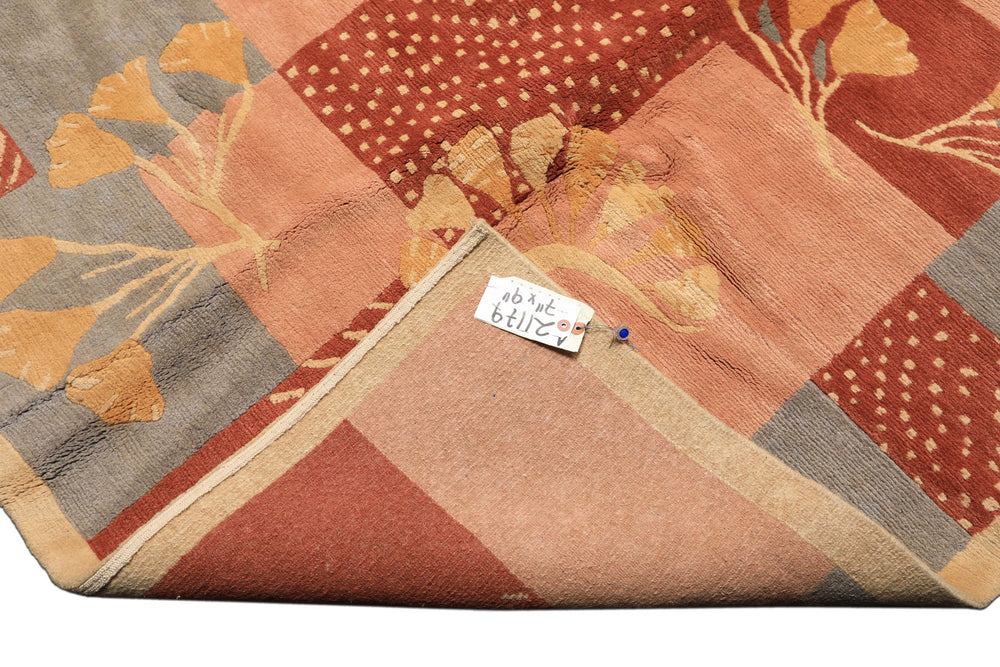
New With Tags
Product Description
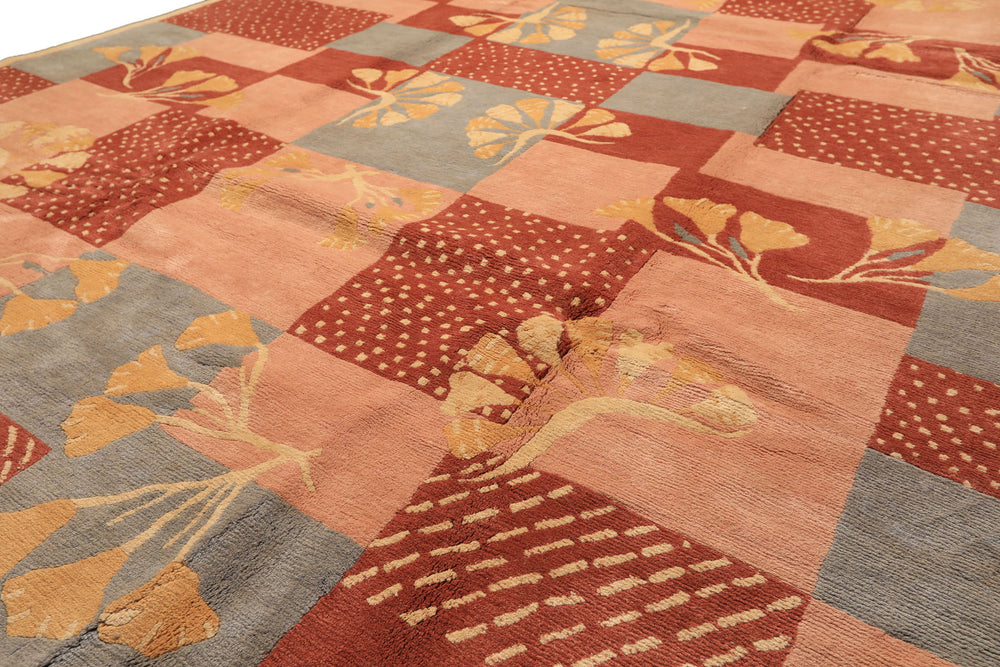
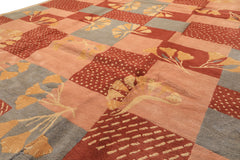
Tibetan transitional design has proven particularly receptive to bold compositional ideas, and this hand-knotted example takes a patchwork grid approach that gives the format a freshness and energy that more conventional arrangements rarely achieve. The field is built from a checkerboard of blush, rose and blue gray blocks, some filled with dot and dash textures, others carrying large scale ginkgo leaf motifs in gold and ivory that sprawl across multiple panels with a looseness that keeps the geometric structure from feeling rigid. The palette of blush, rose, blue, gold and ivory works across the full surface with a warmth and tonal variety that plush Tibetan knotted wool surface on a cotton foundation carries particularly well, the depth of the construction giving each color a richness that the scale of the design demands. As a Tibetan area rug, it blends handmade character, soft texture, durable construction, and modern rug appeal for living rooms, bedrooms, offices, and layered luxury home décor.
Product Story Description
Story Behind the Art: For centuries, Tibetan weavers created rugs for practical use as well as decorative beauty, drawing from geometric patterns, auspicious symbols, mythical animals, and imagery from nature to form designs full of color and meaning. The tradition changed significantly after 1959, when the Tibetan diaspora spread into Nepal and India and helped inspire a commercial revival of rug weaving. By the 1970s, Tibetan rugs had achieved strong international recognition, while Nepalese artisans working alongside Tibetan refugees became essential to preserving and developing the craft. These rugs are especially known for the distinctive slit-loop method called the Tibetan knot, which creates exceptional pile depth, texture, and softness. Today, Tibetan, Nepalese, and Indo-Tibetan rugs include both reinterpreted traditional motifs, such as branching florals and snow lions, and modern free-form patterns that connect cultural heritage with contemporary interior design.
Related Products
Recently Viewed Products
- Choosing a selection results in a full page refresh.