
Info@Knottedrug.com


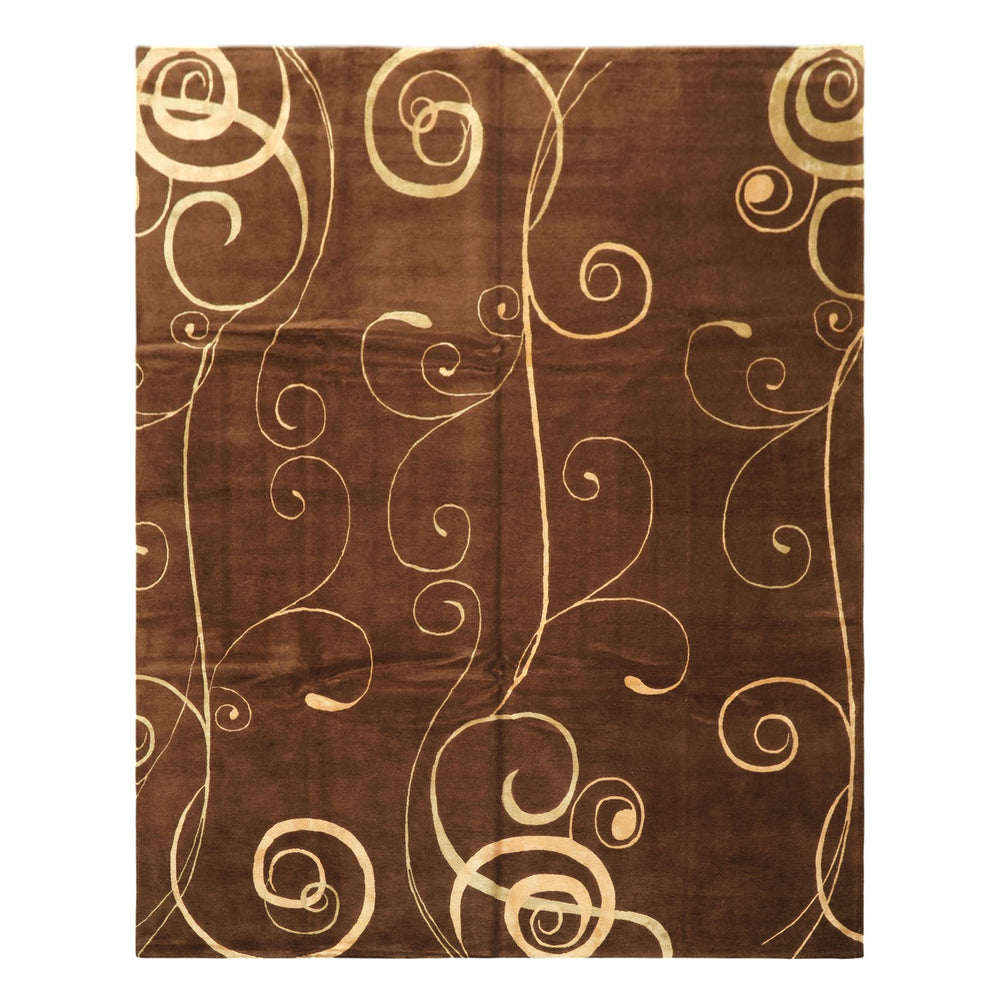
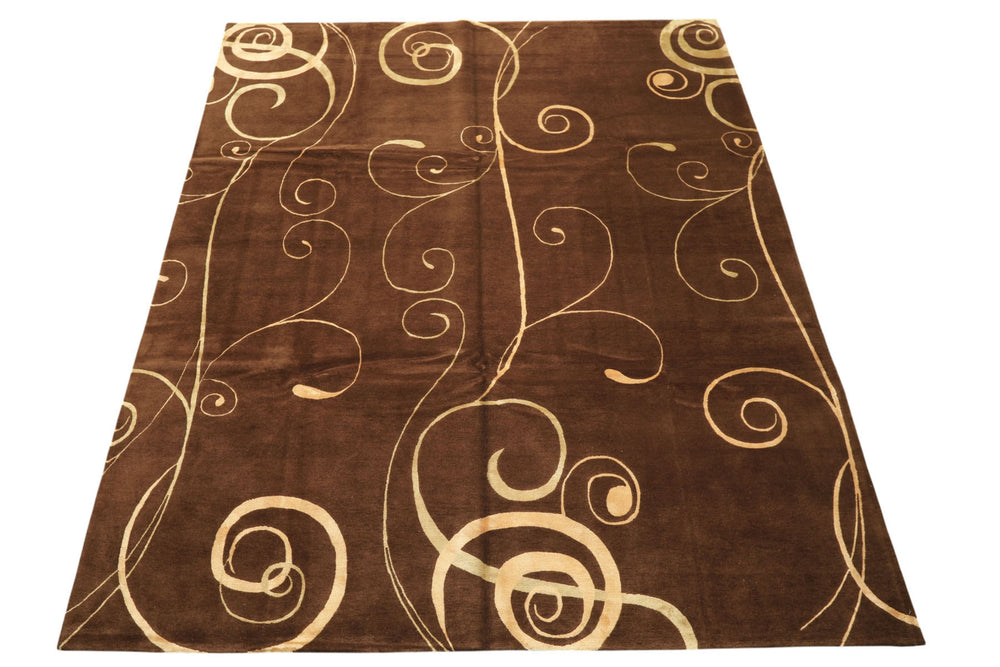

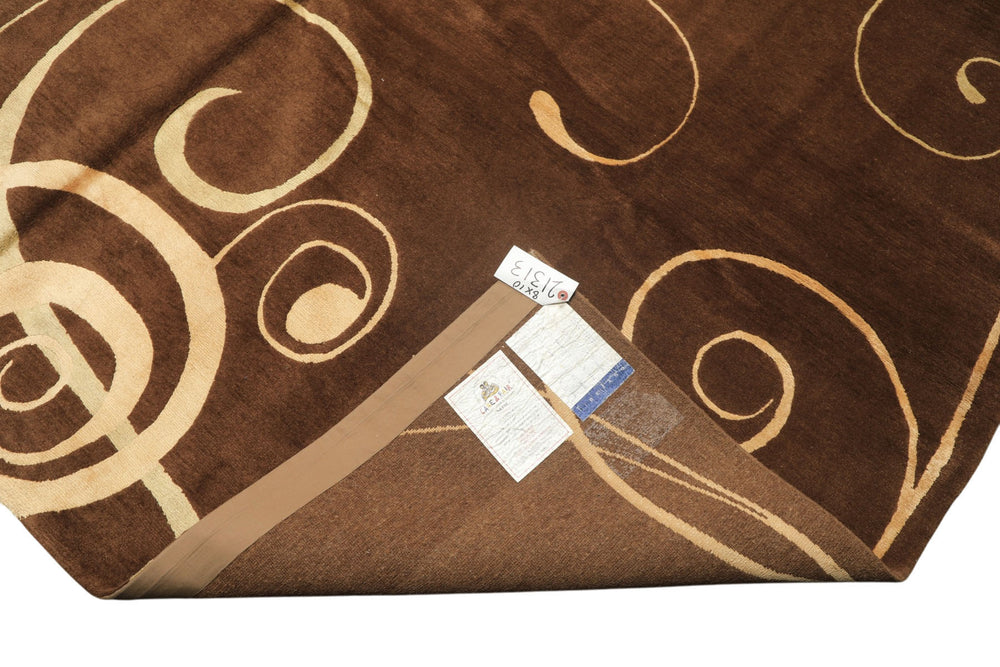
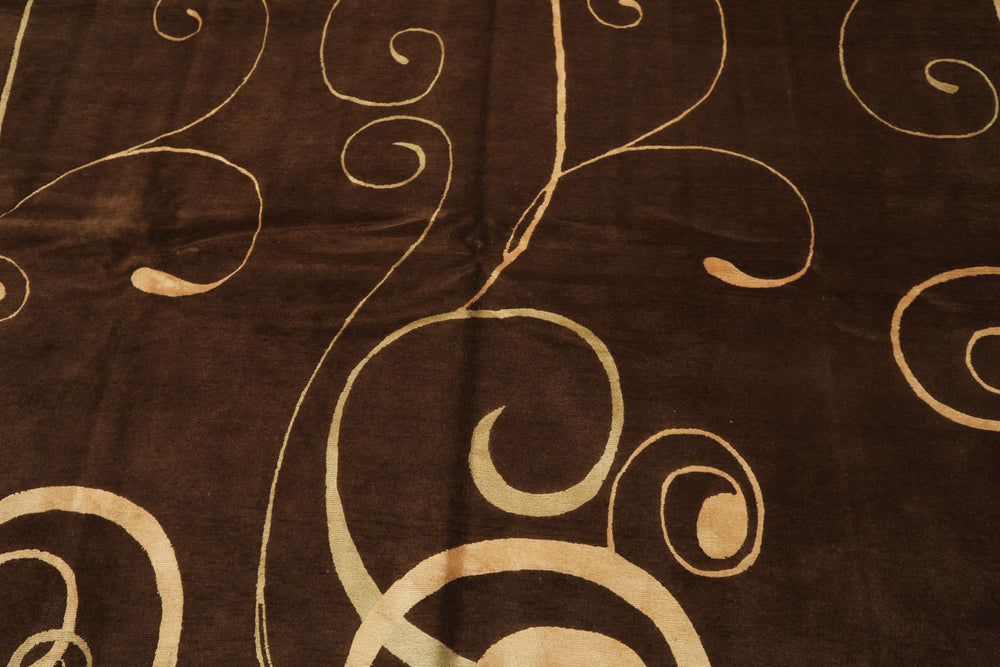
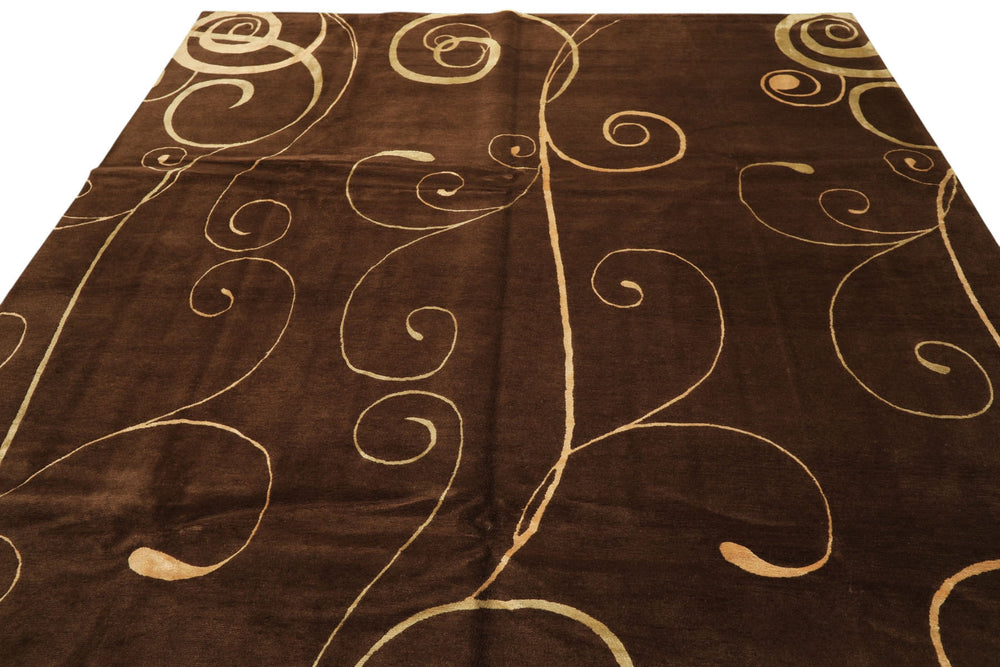
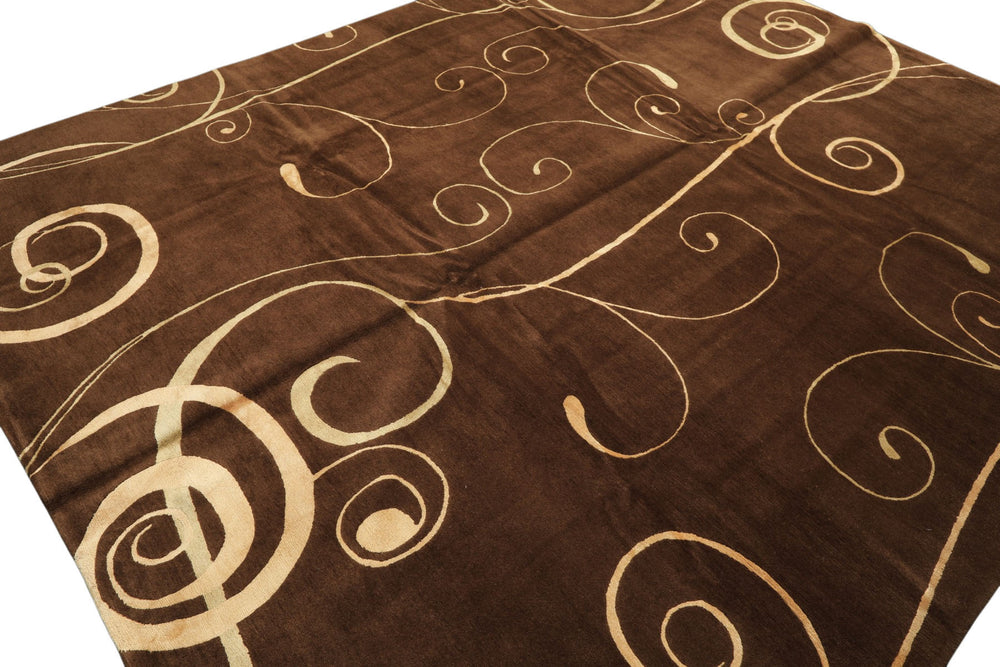
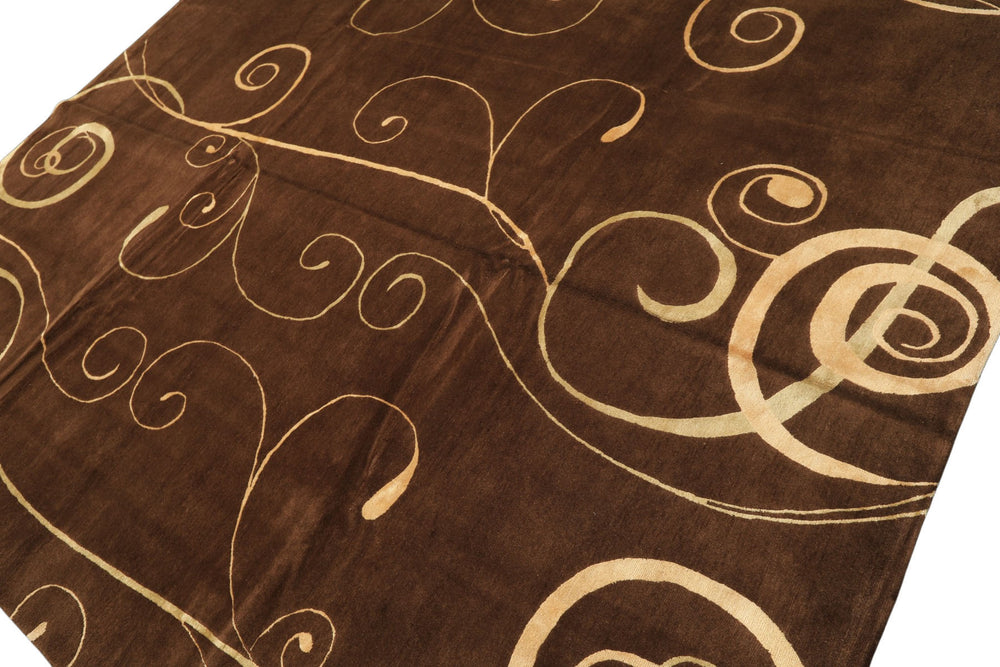
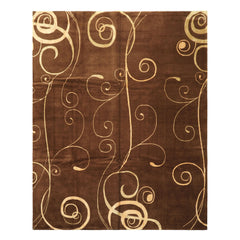
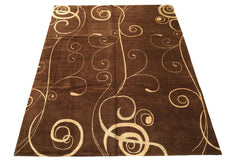

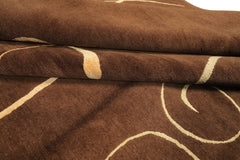
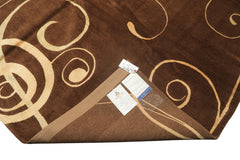
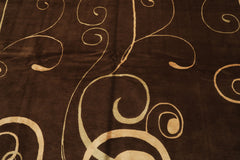
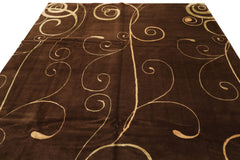
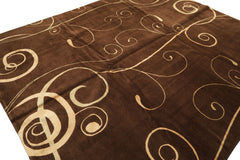
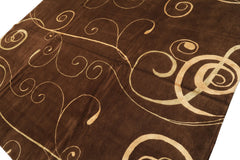
Knotted Rug 8x10 Brown Gold Hand Knotted Wool and Pure Silk Premium Tibetan Modern Contemporary Tibetano Designer Area Rug
- $1,499.99
$4,499.97- $1,499.99
- Unit price
- per
Please hurry! Only 1 left in stock
Subtotal:
$1,499.99
Couldn't load pickup availability


Description
xProduct Details
Product Identification
SKU #: KR21313
Style
Modern & Contemporay
Weave
Hand Knotted
Colors
Primary color is Brown. Colors in this rug include: Gold .
Material
Wool & Pure Silk
Pile Height
0.6
Collection
Tibetan
Origin
Nepal
Condition
New
Condition Description
New With Tags
Product Description
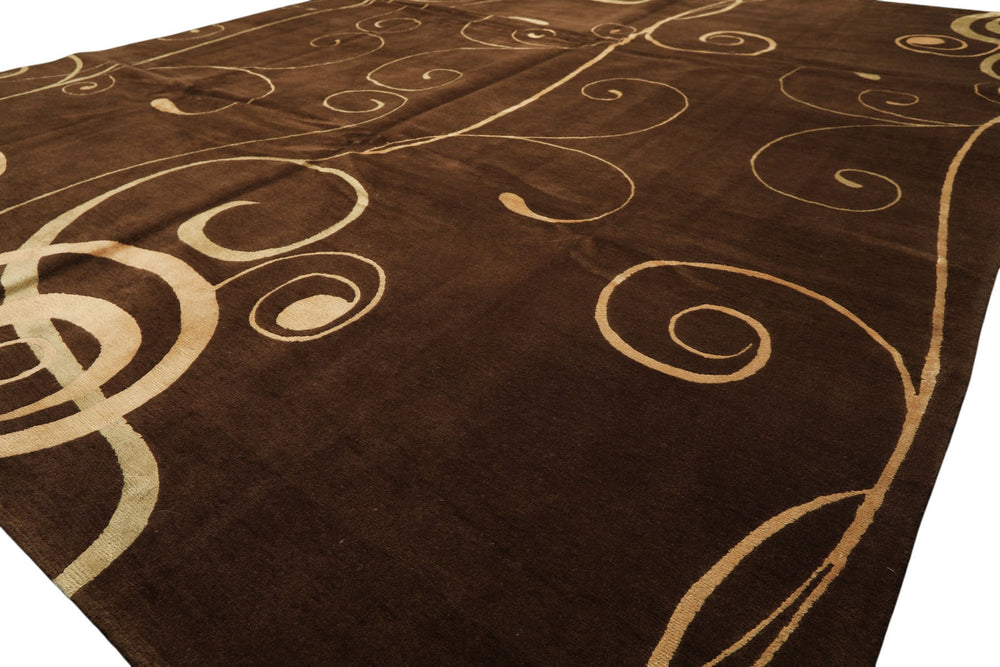
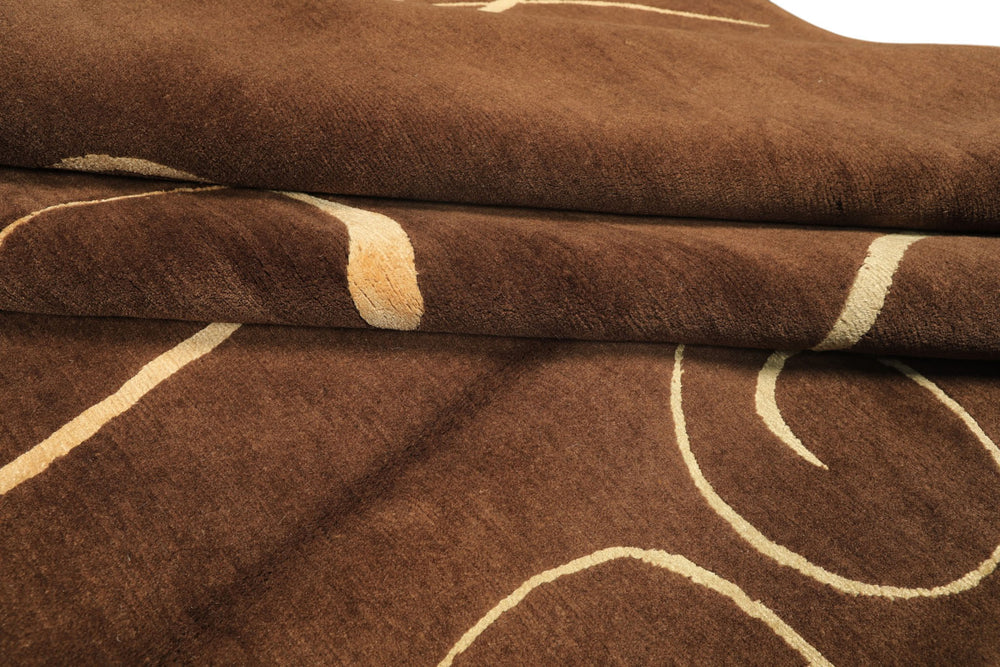
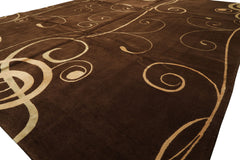
Created with lasting decorative appeal, expertly hand knotted from wool and pure silk, this Tibetan area rug allows a handful of gold vines climb up the deep brown field, each one coiling into loose spirals that vary in size as they wind their way toward the top. The vines drift and curl with a kind of freehand looseness that makes the whole design feel drawn rather than plotted, more calligraphy than botanical illustration. Silk carries the gold linework, lending it a gentle glow against the flatter brown wool ground so the spirals read clearly even from a distance without ever looking harsh or overly graphic. It's a good example of how far premium Tibetan production has moved from strict pattern repetition toward something closer to line drawing, using the fineness of hand knotting to hold a gesture as loose as a pencil sketch. Simple in palette but genuinely playful in execution, it's a rug with real movement to it. As a Tibetan style handmade wool and silk area rug, it brings durable construction, soft texture, timeless design, and an elegant interior accent to a living room, dining room, bedroom, sitting area, or home office while keeping the original color story and crafted character intact. Please note that, as with most product photography, colors may appear slightly brighter on a screen than they do in natural lighting, so the actual tones may feel a bit softer in person.
Product Story Description
Story Behind the Art: For centuries, Tibetan weavers have created rugs for functional living spaces and decorative settings, drawing inspiration from geometric motifs, auspicious symbols, mythical creatures, and natural imagery to form designs with color, depth, and symbolic meaning. The craft experienced a defining transformation after 1959, when Tibetan communities spread through Nepal and India and encouraged a commercial revival of rug weaving. By the 1970s, Tibetan rugs had gained notable recognition, and Nepalese artisans who trained alongside Tibetan refugees became central to sustaining, refining, and evolving the tradition. These rugs are especially known for the unique slit-loop construction called the Tibetan knot, a technique that produces a pile with remarkable softness, depth, and tactile texture. Today, Tibetan, Nepalese, and Indo-Tibetan rugs range from reimagined traditional motifs such as branching florals and snow lions to modern free-form patterns that connect heritage craftsmanship with contemporary design.
Related Products
Example product title
- $1,499.99
$4,499.97- $1,499.99
- Unit price
- per
Example product title
- $1,499.99
$4,499.97- $1,499.99
- Unit price
- per
Example product title
- $1,499.99
$4,499.97- $1,499.99
- Unit price
- per
Example product title
- $1,499.99
$4,499.97- $1,499.99
- Unit price
- per
Example product title
- $1,499.99
$4,499.97- $1,499.99
- Unit price
- per
Example product title
- $1,499.99
$4,499.97- $1,499.99
- Unit price
- per
Example product title
- $1,499.99
$4,499.97- $1,499.99
- Unit price
- per
Example product title
- $1,499.99
$4,499.97- $1,499.99
- Unit price
- per
Example product title
- $1,499.99
$4,499.97- $1,499.99
- Unit price
- per
Example product title
- $1,499.99
$4,499.97- $1,499.99
- Unit price
- per
Recently Viewed Products
Example product title
- $1,499.99
$4,499.97- $1,499.99
- Unit price
- per
Example product title
- $1,499.99
$4,499.97- $1,499.99
- Unit price
- per
Example product title
- $1,499.99
$4,499.97- $1,499.99
- Unit price
- per
Example product title
- $1,499.99
$4,499.97- $1,499.99
- Unit price
- per
Example product title
- $1,499.99
$4,499.97- $1,499.99
- Unit price
- per
Example product title
- $1,499.99
$4,499.97- $1,499.99
- Unit price
- per
Example product title
- $1,499.99
$4,499.97- $1,499.99
- Unit price
- per
Example product title
- $1,499.99
$4,499.97- $1,499.99
- Unit price
- per
Example product title
- $1,499.99
$4,499.97- $1,499.99
- Unit price
- per
Example product title
- $1,499.99
$4,499.97- $1,499.99
- Unit price
- per
- Choosing a selection results in a full page refresh.