
Info@Knottedrug.com


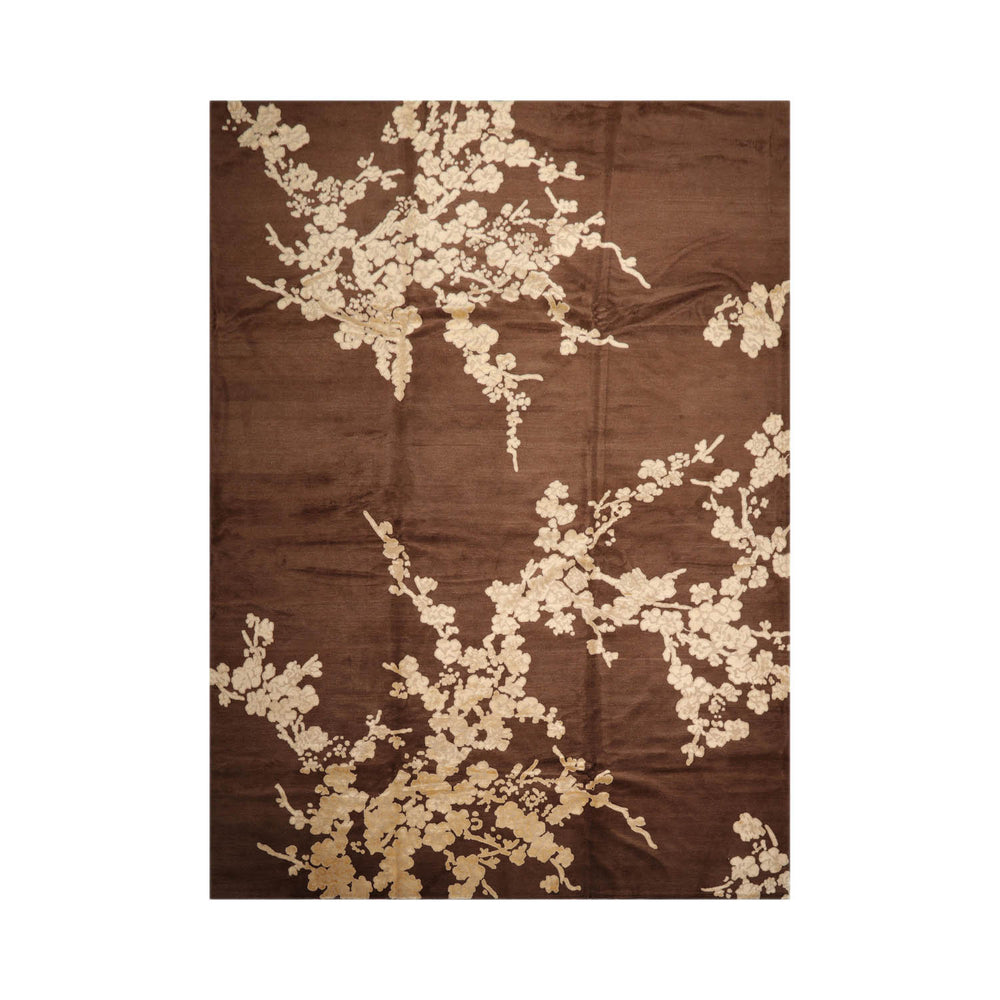
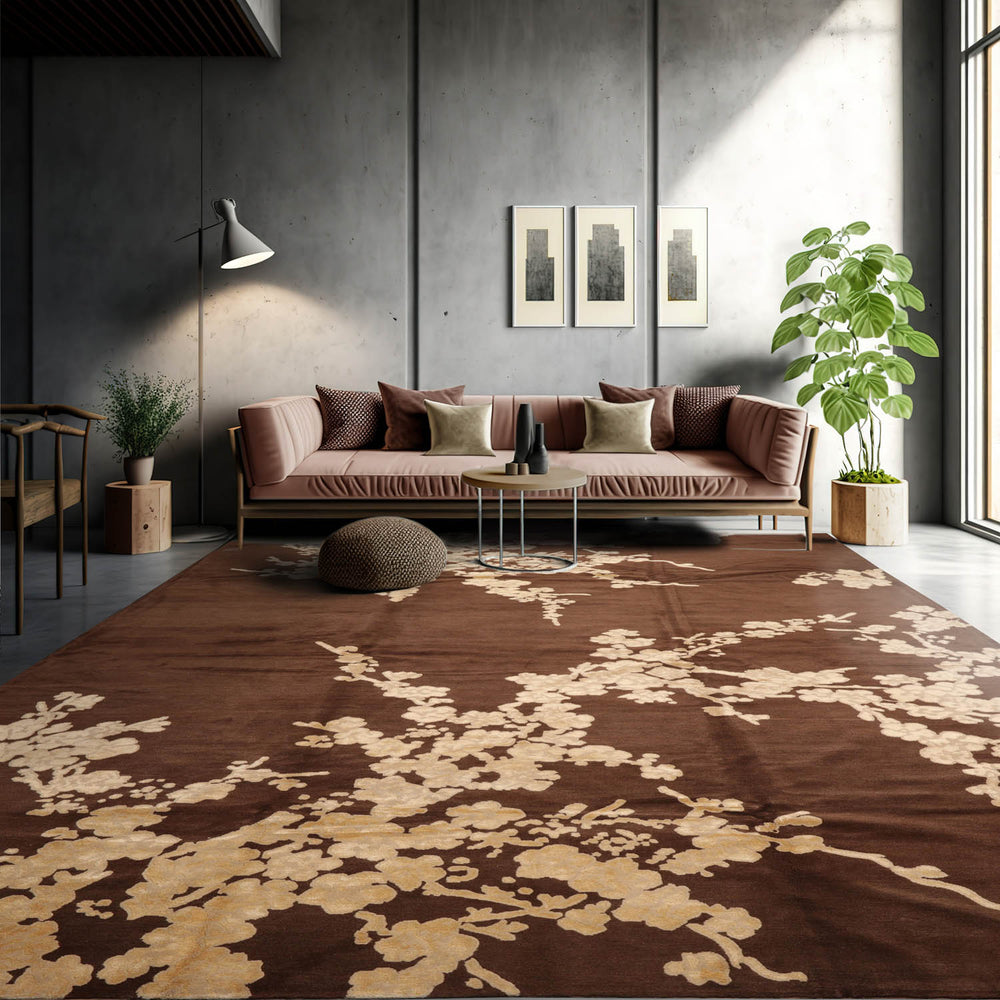
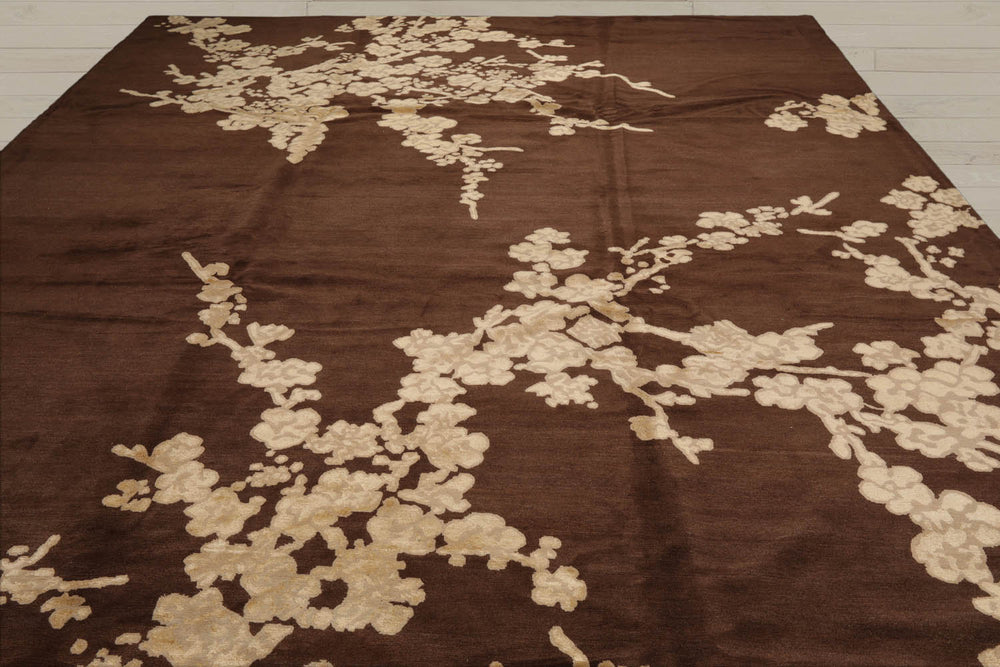
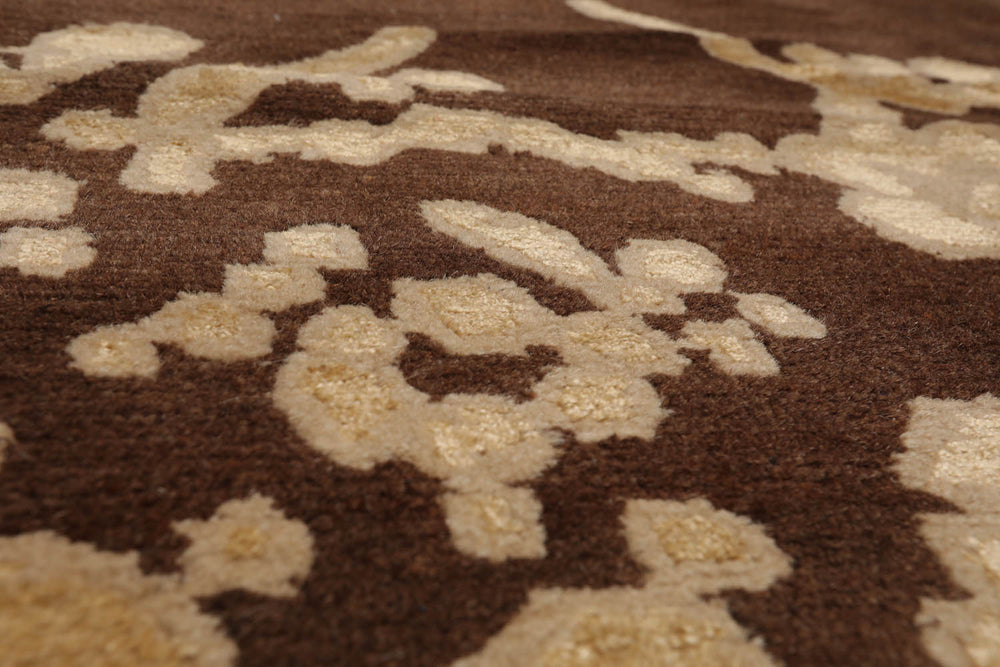
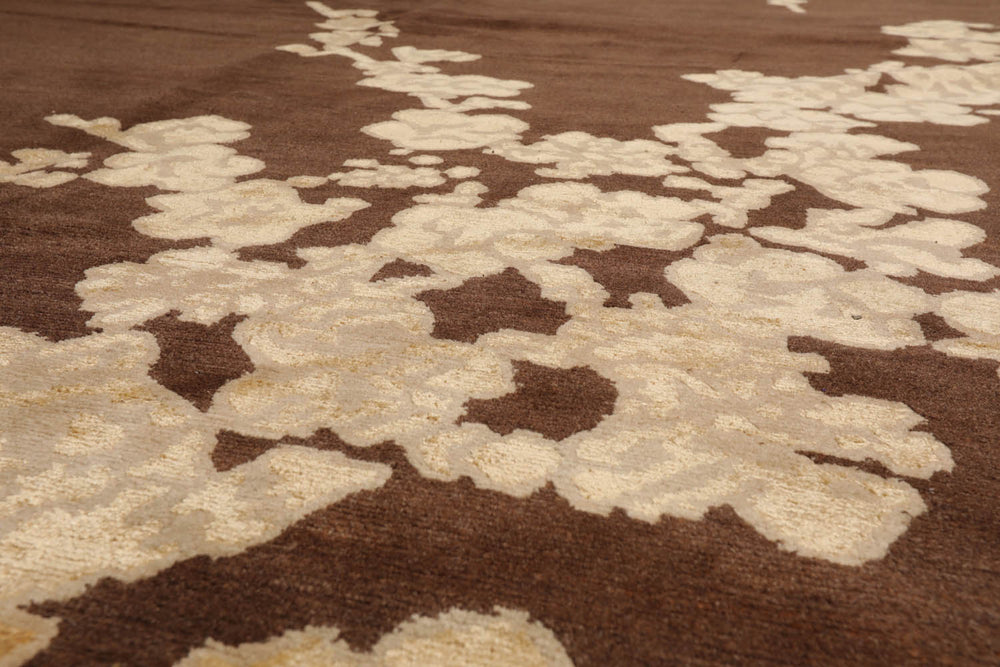
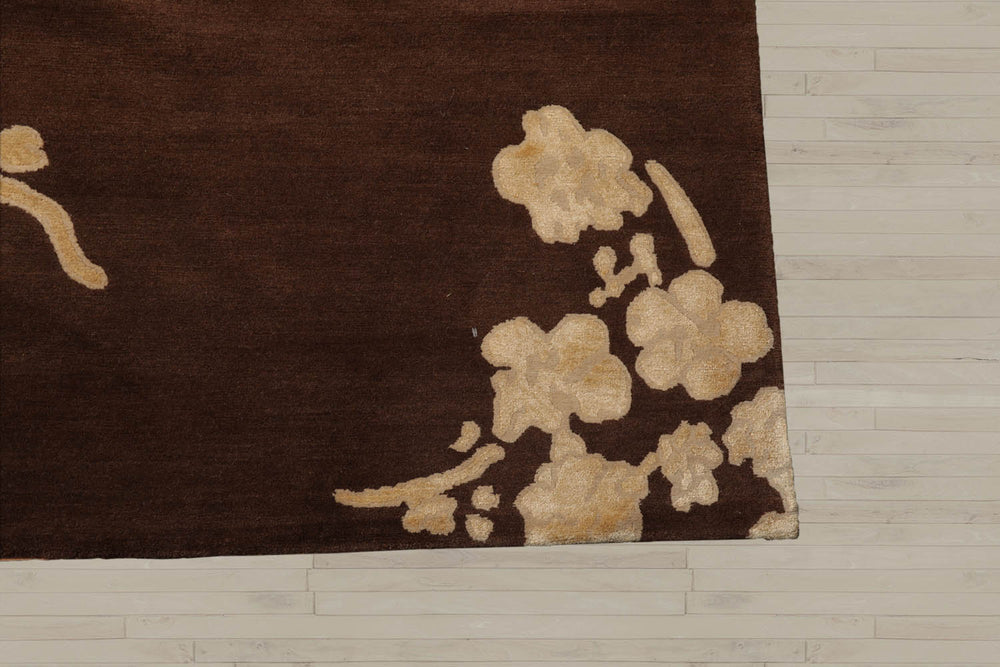
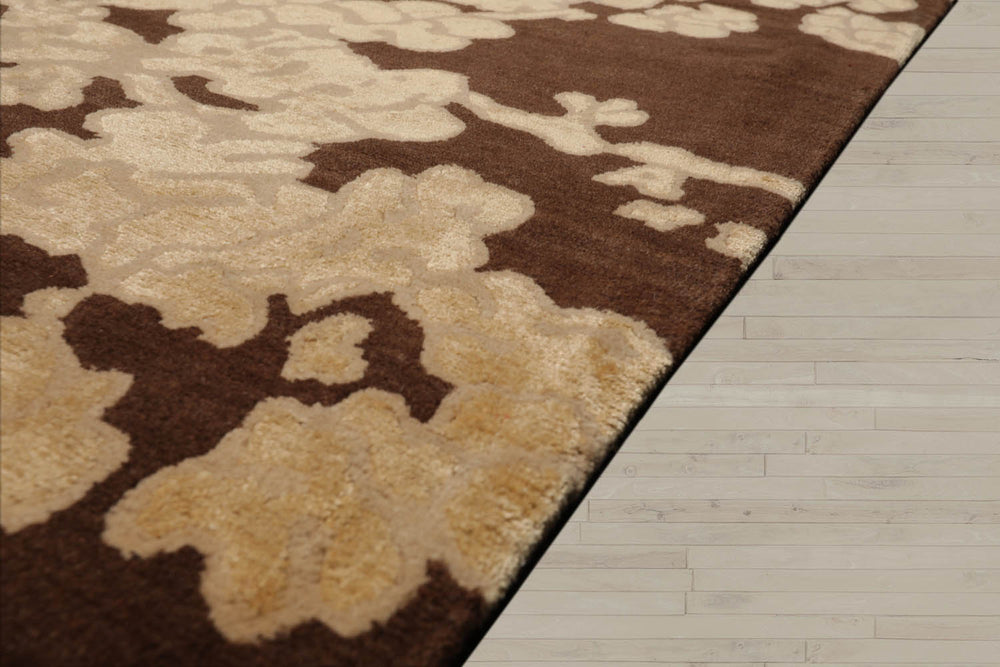
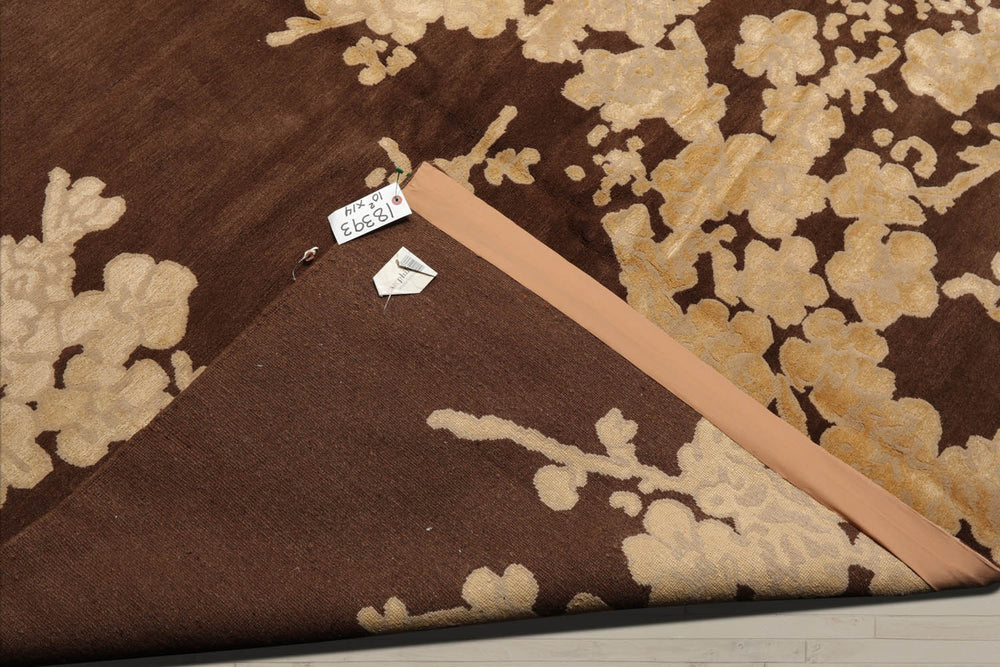
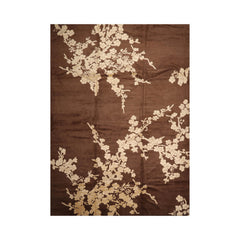
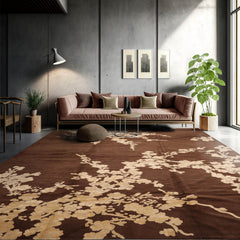
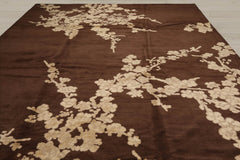
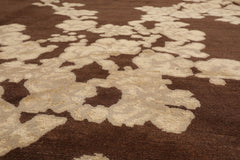
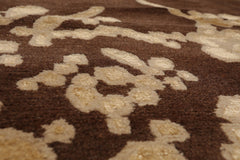
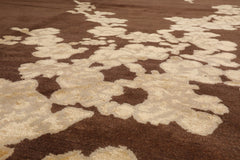
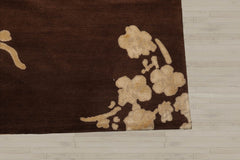
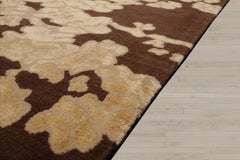
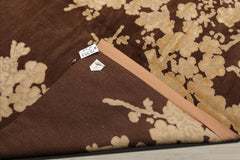
Knotted Rug Brown Beige Hand Knotted 10x14 Tibetan Wool and Silk Tibetan Modern Contemporary Oriental Area Rug Color
- $2,499.00
$7,497.00- $2,499.00
- Unit price
- per
Please hurry! Only 1 left in stock
Subtotal:
$2,499.00
Couldn't load pickup availability


Description
xProduct Details
Product Identification
SKU #: KR18393
Style
Modern
Weave
Hand Knotted
Colors
Primary color is Brown. Colors in this rug include: Beige, Light Gold .
Material
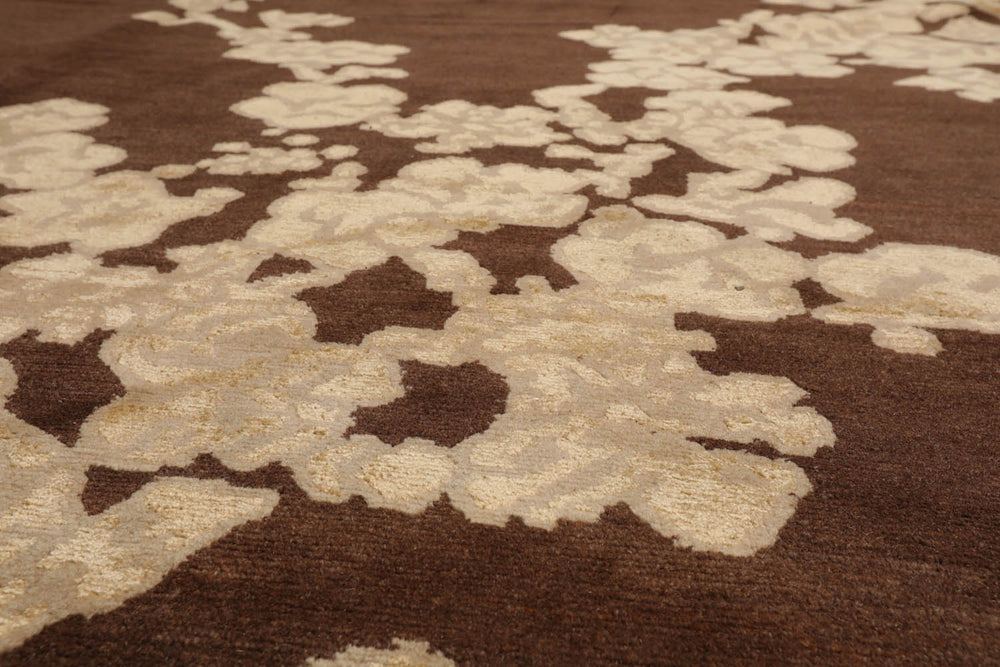
Wool & Silk
Pile Height
0.50
Collection
Tibetan
Origin
Nepal
Pattern
All-Over
Condition
New
Condition Description
New with tag
Product Description
This is an elegant and visually striking Brown Beige Light Gold meticulously hand-knotted Mark Philips Tibetan Wool & Silk rug from Nepal. Constructed from high-quality wool, this rug offers exceptional durability while naturally resisting dirt and providing effective insulation. The silk on the other hand gives a unique sheen to the rug. Featuring a contemporary floral design the rug is a soothing symphony of elegant motifs sober colors and consummate artisanship. Its refined and versatile design complements a variety of spaces including living rooms, dining areas, bedrooms, and professional settings. For the USA home décor market, this rug is described with shopper-friendly terms such as area rug, oriental area rug, living room rug, bedroom rug, dining room rug, handmade rug, wool rug, and elegant interior accent, while keeping the original material, color, weave, design character, and construction details intact.
Product Story Description
Story Behind the Art: For centuries Tibetans have used rugs for decorative and functional purposes, drawing upon geometric patterns, auspicious symbols, real and mythical animals, and natural imagery to create beautiful, colorful designs. But it was only after 1959 with the Chinese invasion of Tibet and the growth of Tibetan diaspora in Nepal and Tibet that Tibetan rug weaving underwent a crucial commercial revival. In the 1970s, Tibetan rugs rose to prominence and Nepalese artisans, who were drafted in to keep up with the rising demand, became the mainstay of the Tibetan rug weaving traditions. Tibetan rug utilizes a slit-loop technique called the Tibetan knot which makes for a pile that is a wonderful mix of depth, texture and richness. In modern times, designs featured in Tibetan, Nepalese rugs (those woven by Tibetan refugees in Nepal) and Indo-Tibetans (woven in India) range from Westernized adaptations of traditional Tibetan motifs (such as branching floral designs and snow lions) to a large mixture of foreign and modern free-form patterns.
Related Products
Example product title
- $2,499.00
$7,497.00- $2,499.00
- Unit price
- per
Example product title
- $2,499.00
$7,497.00- $2,499.00
- Unit price
- per
Example product title
- $2,499.00
$7,497.00- $2,499.00
- Unit price
- per
Example product title
- $2,499.00
$7,497.00- $2,499.00
- Unit price
- per
Example product title
- $2,499.00
$7,497.00- $2,499.00
- Unit price
- per
Example product title
- $2,499.00
$7,497.00- $2,499.00
- Unit price
- per
Example product title
- $2,499.00
$7,497.00- $2,499.00
- Unit price
- per
Example product title
- $2,499.00
$7,497.00- $2,499.00
- Unit price
- per
Example product title
- $2,499.00
$7,497.00- $2,499.00
- Unit price
- per
Example product title
- $2,499.00
$7,497.00- $2,499.00
- Unit price
- per
Recently Viewed Products
Example product title
- $2,499.00
$7,497.00- $2,499.00
- Unit price
- per
Example product title
- $2,499.00
$7,497.00- $2,499.00
- Unit price
- per
Example product title
- $2,499.00
$7,497.00- $2,499.00
- Unit price
- per
Example product title
- $2,499.00
$7,497.00- $2,499.00
- Unit price
- per
Example product title
- $2,499.00
$7,497.00- $2,499.00
- Unit price
- per
Example product title
- $2,499.00
$7,497.00- $2,499.00
- Unit price
- per
Example product title
- $2,499.00
$7,497.00- $2,499.00
- Unit price
- per
Example product title
- $2,499.00
$7,497.00- $2,499.00
- Unit price
- per
Example product title
- $2,499.00
$7,497.00- $2,499.00
- Unit price
- per
Example product title
- $2,499.00
$7,497.00- $2,499.00
- Unit price
- per
- Choosing a selection results in a full page refresh.