
Info@Knottedrug.com


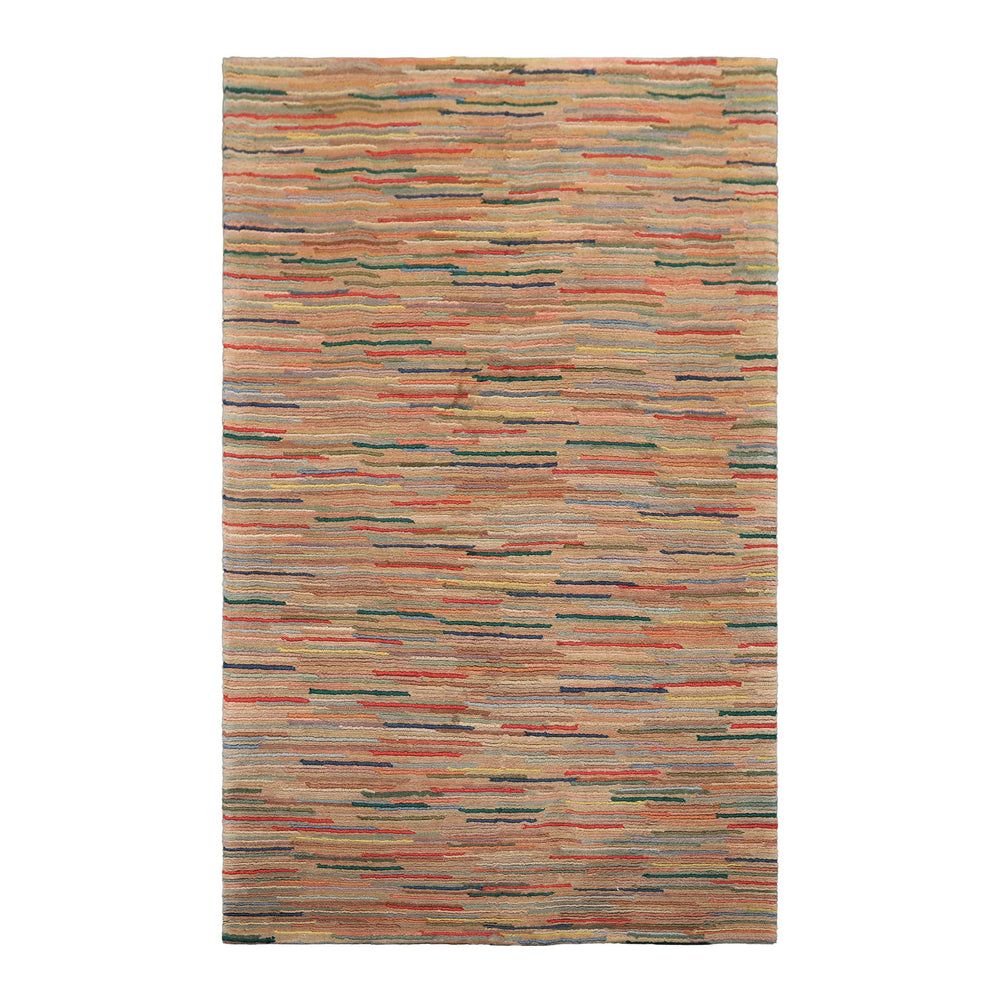
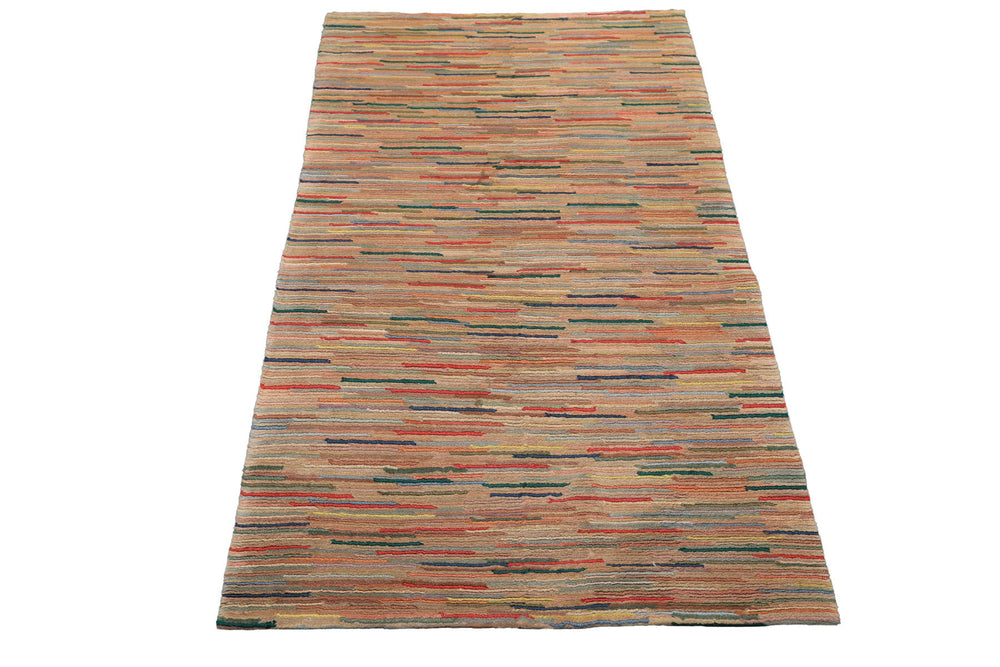
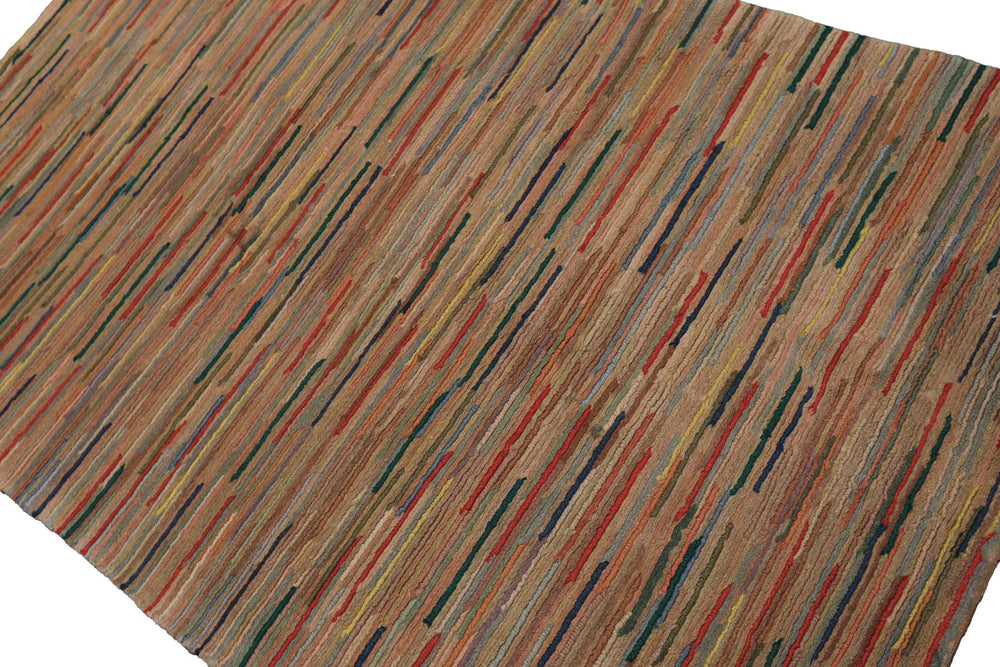
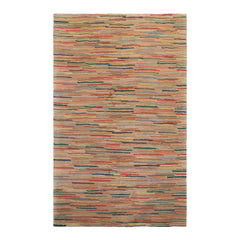
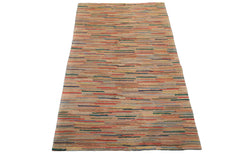
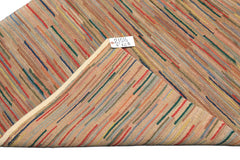
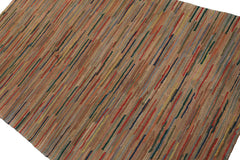
Knotted Rug Rose Hand Knotted 4'1''x6'5'' Multi Tibetan Modern Contemporary Loop and Cut Pile Wool Oriental Area Rug
- $249.99
$749.97- $249.99
- Unit price
- per
Please hurry! Only 1 left in stock
Subtotal:
$249.99
Couldn't load pickup availability


Description
xProduct Details
Product Identification
SKU #: KR21016
Style
Modern & Contemporary
Weave
Hand Knotted
Colors
Primary color is Rose. Colors in this rug include: Multi .
Material
Wool
Pile Height
0.5
Collection
Tibetan
Origin
Nepal
Condition
New
Condition Description
New With Tags
Product Description
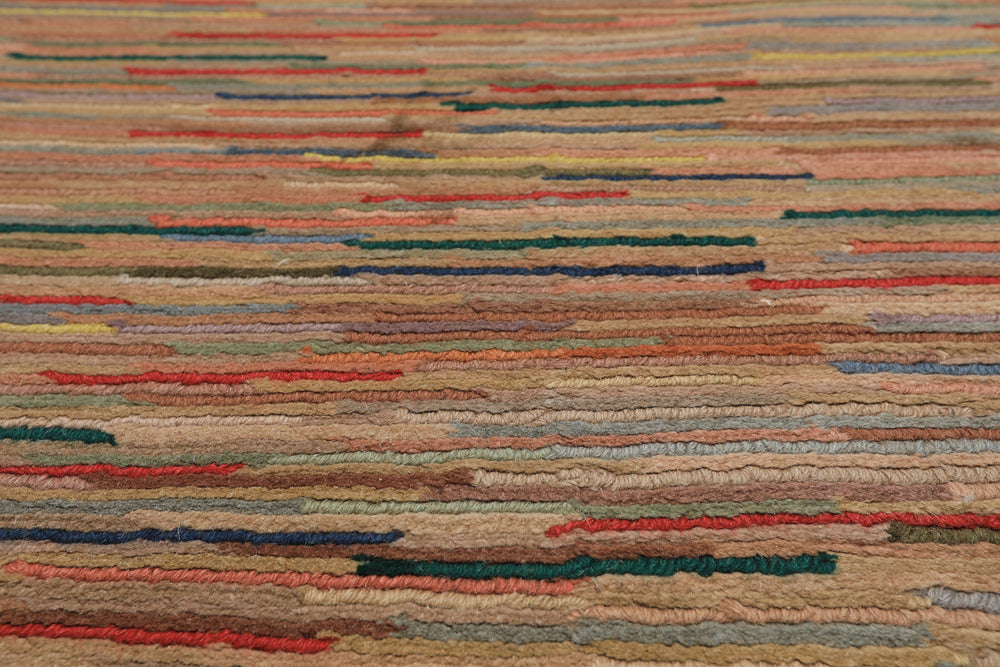
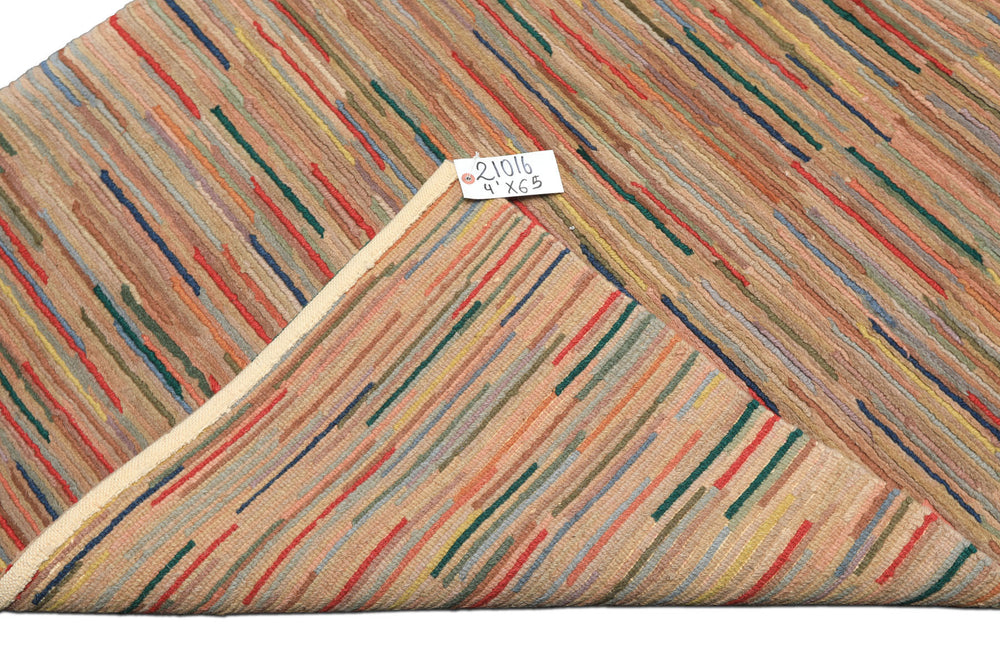
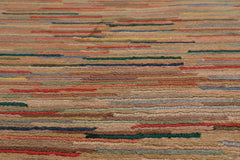
Handknotted in the Tibetan tradition this contemporary wool rug presents a striking multicolor dash stripe design across a warm rose ground with horizontal threads of red teal mustard navy sage and lavender scattered freely across the surface in a pattern that feels both playful and refined. The detailing contributes to a layered visual experience while maintaining balance and sophistication. The loop and cut pile construction establishes a subtle textural contrast that introduces depth and dimension to the design while the all-wool pile on a cotton foundation ensures durability and a quality of construction that stands up to everyday use. The detailing contributes to a layered visual experience while maintaining balance and sophistication. The multicolor palette is broad yet surprisingly easy to place making this a versatile piece that can anchor or complement a wide range of interior color schemes without effort. The detailing contributes to a layered visual experience while maintaining balance and sophistication. Grounded in a weaving tradition celebrated for its exceptional pile quality and craftsmanship this rug brings genuine character and a quietly artistic sensibility to any floor it occupies. The detailing contributes to a layered visual experience while maintaining balance and sophistication. For the USA home décor market, this rug is described with shopper-friendly terms such as area rug, oriental area rug, living room rug, bedroom rug, dining room rug, handmade rug, wool rug, and elegant interior accent, while keeping the original material, color, weave, design character, and construction details intact.
Product Story Description
Story Behind the Art :For centuries Tibetans have woven rugs for both functional and decorative purposes drawing inspiration from geometric motifs auspicious symbols mythical creatures and natural imagery to create designs rich in color and meaning. The craft underwent a pivotal transformation after 1959 as the Tibetan diaspora spread across Nepal and India sparking a commercial revival of rug weaving. By the 1970s Tibetan rugs had gained international prominence with Nepalese artisans trained alongside Tibetan refugees becoming central to sustaining and evolving the tradition. Distinctive for their unique slit-loop technique known as the Tibetan knot these rugs possess a pile of remarkable depth texture and softness. Today Tibetan Nepalese and Indo-Tibetan rugs range from reimagined traditional motifs such as branching florals and snow lions to modern free-form patterns that bridge heritage with contemporary design.
Related Products
Recently Viewed Products
- Choosing a selection results in a full page refresh.