
Info@Knottedrug.com


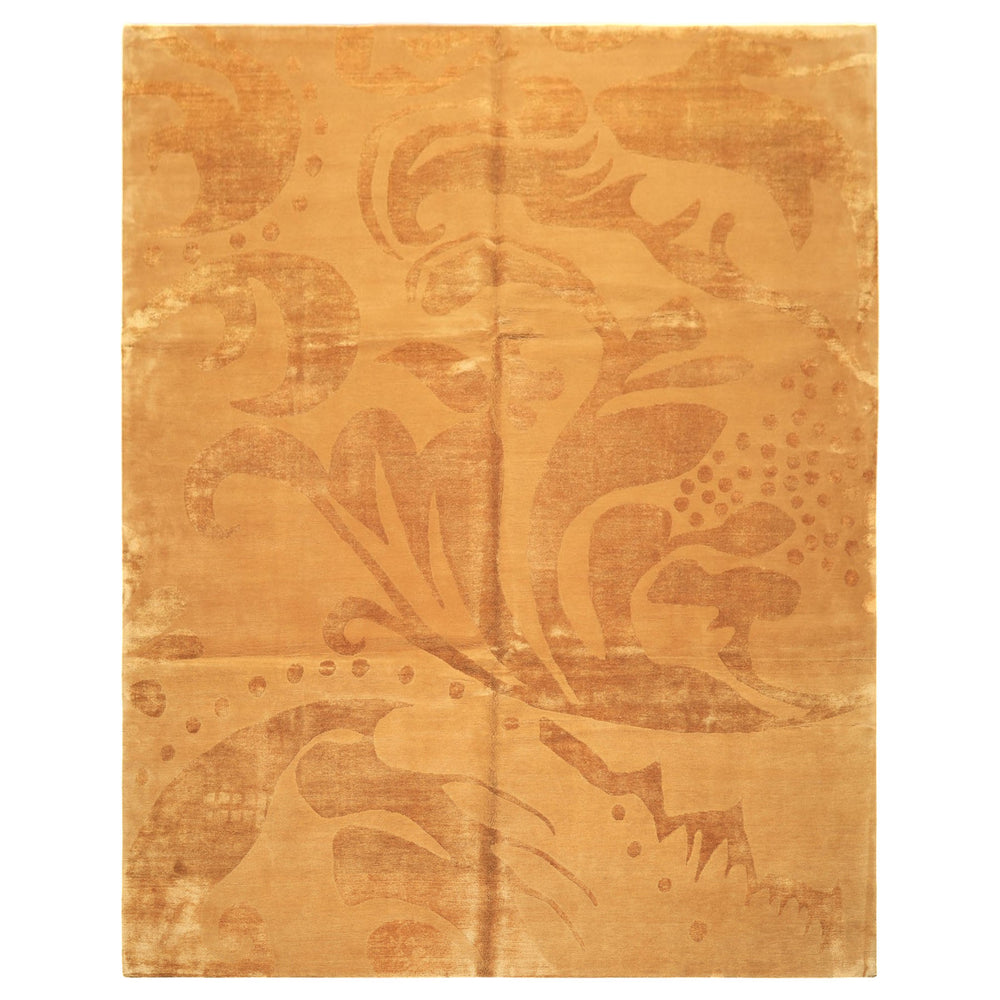
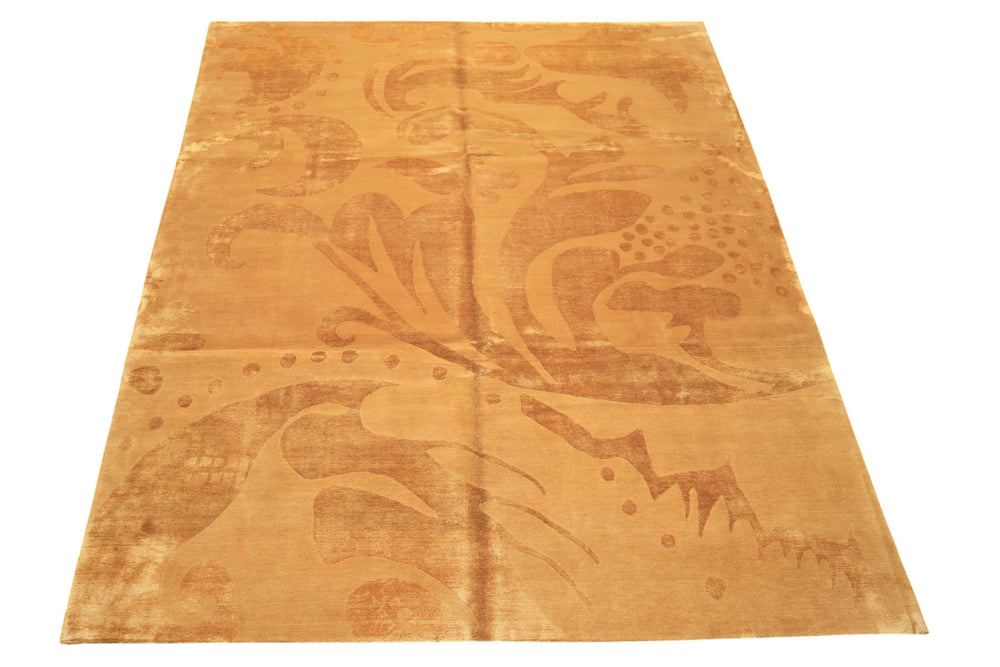
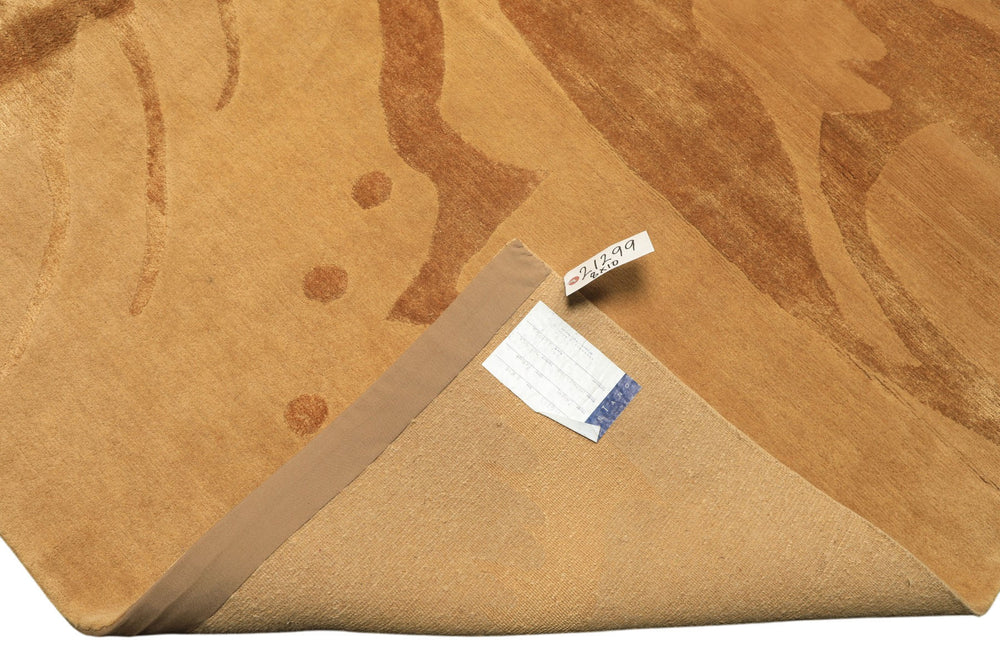
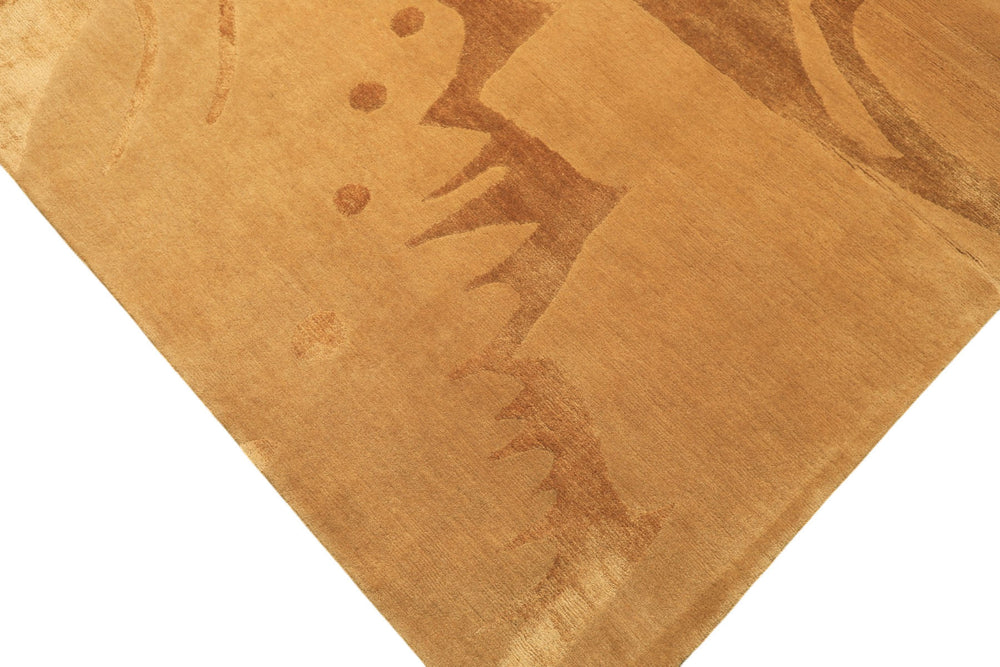
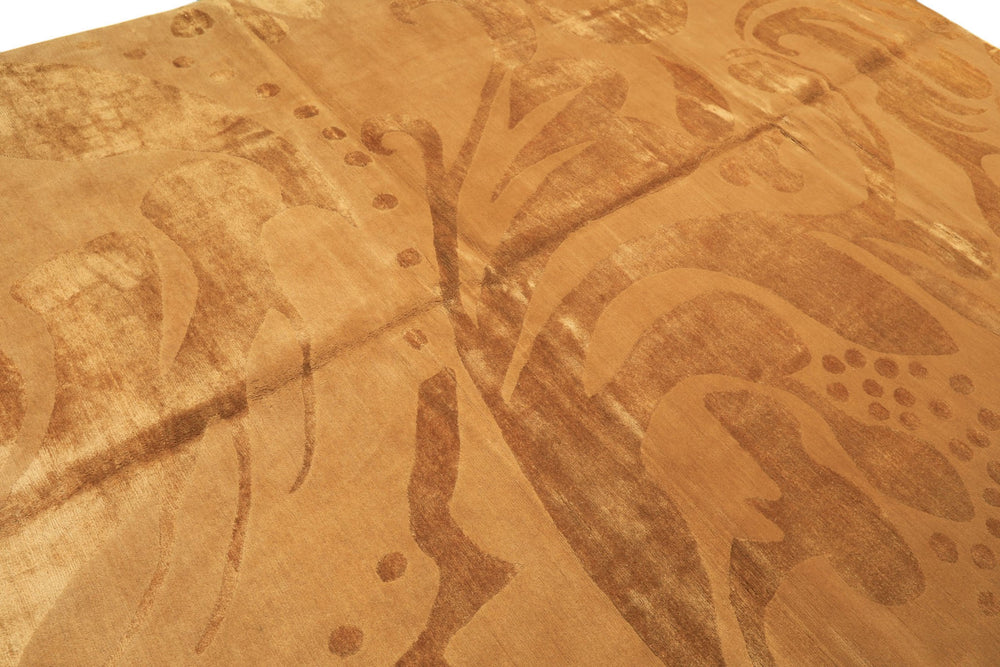
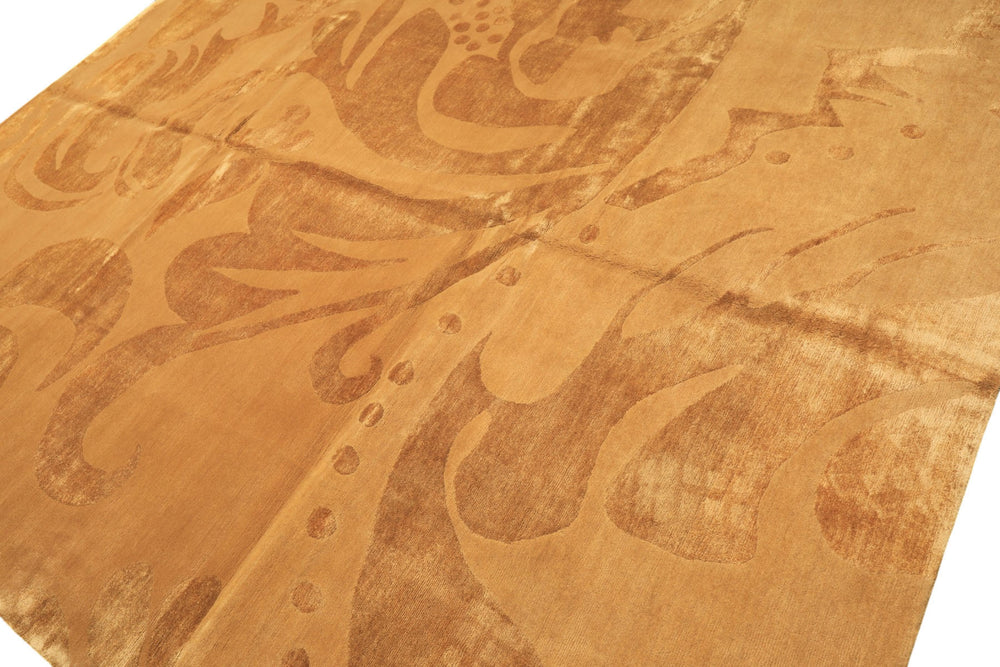
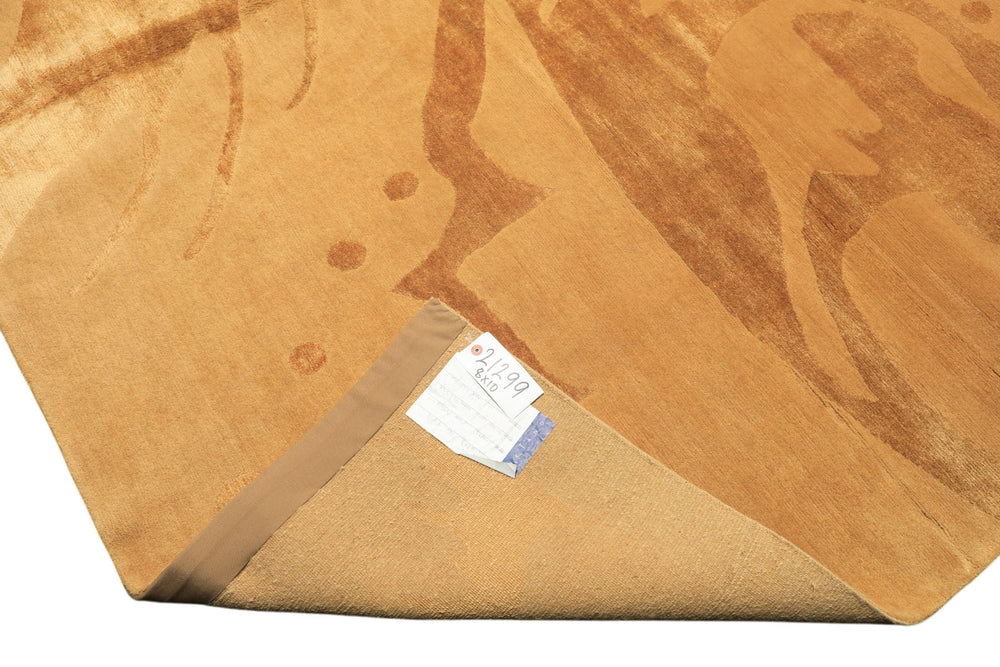
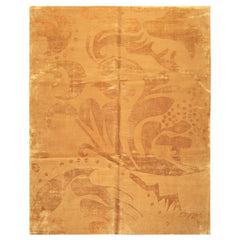
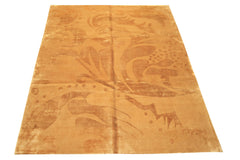
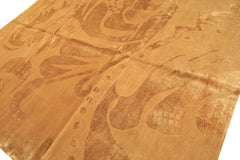
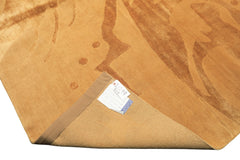
Knotted Rug 8x10 Tone on Tone Gold Hand Knotted Wool and Pure Silk Premium Tibetan Modern Contemporary Tibetano Designer Area Rug
- $1,499.99
$4,499.97- $1,499.99
- Unit price
- per
Please hurry! Only 1 left in stock
Subtotal:
$1,499.99
Couldn't load pickup availability


Description
xProduct Details
Product Identification
SKU #: KR21299
Style
Modern & Contemporay
Weave
Hand Knotted
Colors
Primary color is Tone on Tone Gold. Colors in this rug include: .
Material
Wool & Pure Silk
Pile Height
0.6
Collection
Tibetan
Origin
Nepal
Condition
New
Condition Description
New With Tags
Product Description
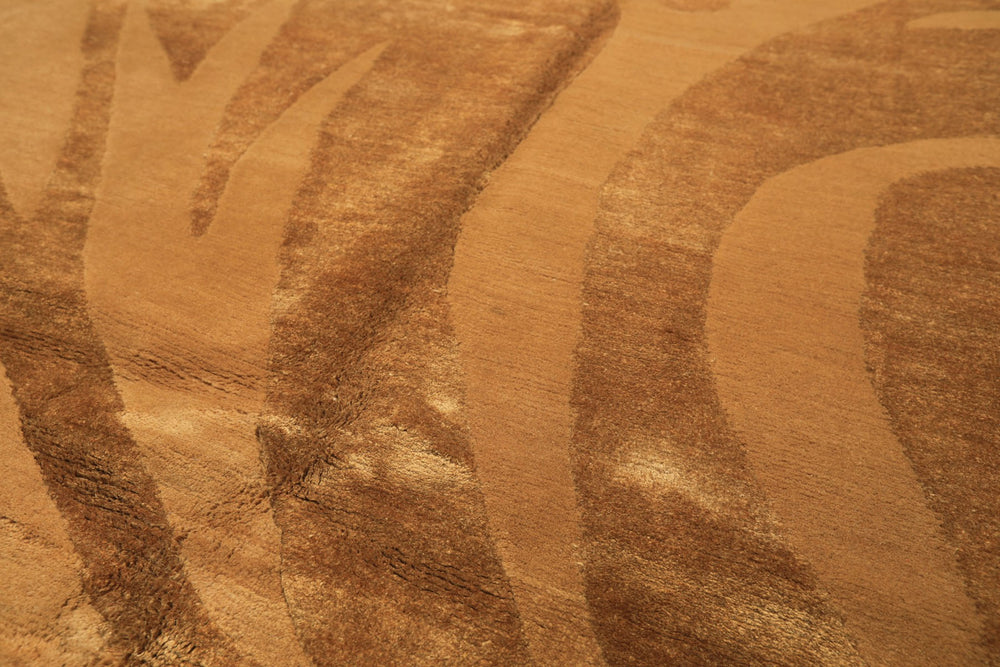
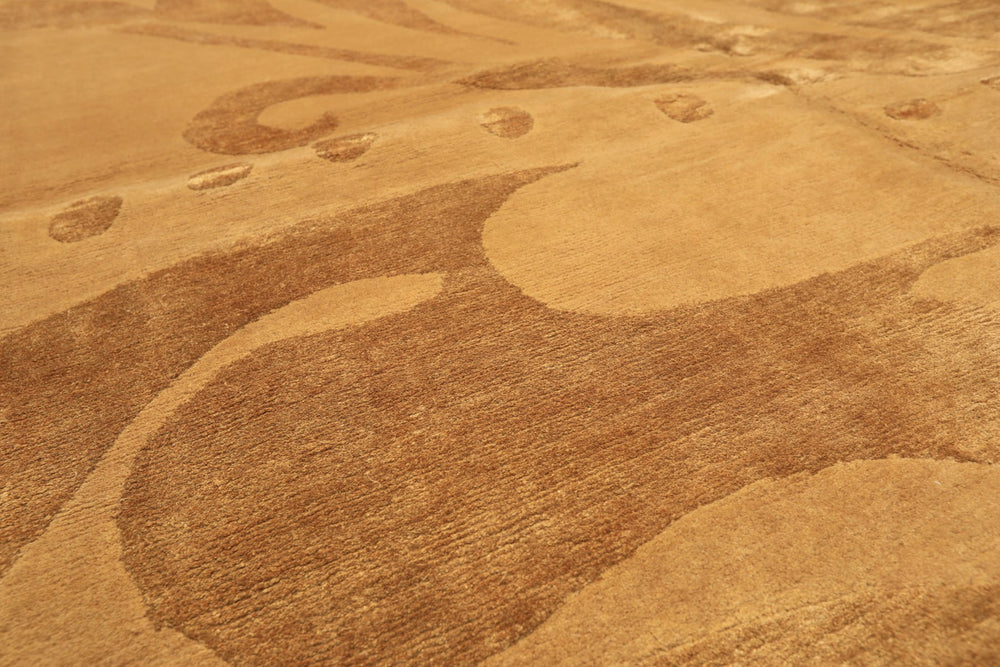
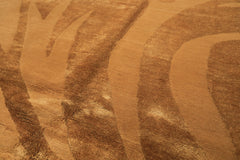
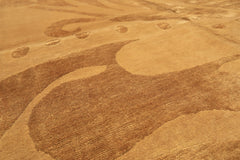
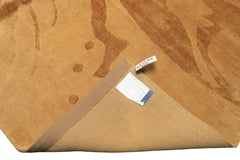
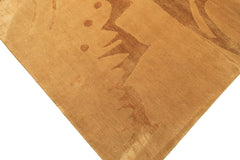
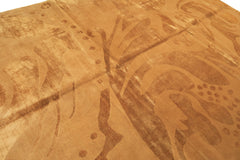
Made to add warmth and texture to the home, expertly hand knotted from wool and pure silk, this Tibetan area rug builds its entire design out of a single gold tone, letting sheen and shadow do the talking. A large abstract motif sweeps across the field, part floral, part wave, with gentle scattered dots trailing off one edge like spray. The shapes are loose and organic lending the piece a painterly quality. Silk woven into the pile is what makes this kind of tone-on-tone design possible at all, since the fiber catches and reflects light differently than wool alone, so the pattern only reveals itself through that shift in sheen rather than any actual change in dye. Premium Tibetan workshops have leaned into this technique in recent years as a way to bring texture and depth to contemporary interiors without introducing competing colors into a room. It's a rug that rewards proximity, the closer you get, the more the abstract shapes pull apart from the background. As a Tibetan style handmade wool and silk area rug, it brings durable construction, soft texture, timeless design, and an elegant interior accent to a living room, dining room, bedroom, sitting area, or home office while keeping the original color story and crafted character intact. Please note that, as with most product photography, colors may appear slightly brighter on a screen than they do in natural lighting, so the actual tones may feel a bit softer in person.
Product Story Description
Story Behind the Art: Tibetan rug weaving has long combined utility with artistic expression, drawing inspiration from geometric motifs, auspicious symbols, mythical creatures, and natural imagery to create designs with cultural meaning, color, and visual depth. After 1959, the movement of Tibetan communities into Nepal and India brought a pivotal change to the craft, helping create a commercial revival that carried the tradition into new workshops and markets. By the 1970s, Tibetan rugs had gained strong recognition, and Nepalese artisans trained alongside Tibetan refugees became important keepers and innovators of the weaving heritage. The distinctive slit-loop structure, known as the Tibetan knot, gives these rugs a pile with remarkable softness, dimension, and texture. Today, Tibetan, Nepalese, and Indo-Tibetan rugs span from reinterpreted heritage designs, including branching florals and snow lions, to modern free-form patterns for contemporary interiors.
Related Products
Example product title
- $1,499.99
$4,499.97- $1,499.99
- Unit price
- per
Example product title
- $1,499.99
$4,499.97- $1,499.99
- Unit price
- per
Example product title
- $1,499.99
$4,499.97- $1,499.99
- Unit price
- per
Example product title
- $1,499.99
$4,499.97- $1,499.99
- Unit price
- per
Example product title
- $1,499.99
$4,499.97- $1,499.99
- Unit price
- per
Example product title
- $1,499.99
$4,499.97- $1,499.99
- Unit price
- per
Example product title
- $1,499.99
$4,499.97- $1,499.99
- Unit price
- per
Example product title
- $1,499.99
$4,499.97- $1,499.99
- Unit price
- per
Example product title
- $1,499.99
$4,499.97- $1,499.99
- Unit price
- per
Example product title
- $1,499.99
$4,499.97- $1,499.99
- Unit price
- per
Recently Viewed Products
Example product title
- $1,499.99
$4,499.97- $1,499.99
- Unit price
- per
Example product title
- $1,499.99
$4,499.97- $1,499.99
- Unit price
- per
Example product title
- $1,499.99
$4,499.97- $1,499.99
- Unit price
- per
Example product title
- $1,499.99
$4,499.97- $1,499.99
- Unit price
- per
Example product title
- $1,499.99
$4,499.97- $1,499.99
- Unit price
- per
Example product title
- $1,499.99
$4,499.97- $1,499.99
- Unit price
- per
Example product title
- $1,499.99
$4,499.97- $1,499.99
- Unit price
- per
Example product title
- $1,499.99
$4,499.97- $1,499.99
- Unit price
- per
Example product title
- $1,499.99
$4,499.97- $1,499.99
- Unit price
- per
Example product title
- $1,499.99
$4,499.97- $1,499.99
- Unit price
- per
- Choosing a selection results in a full page refresh.