
Info@Knottedrug.com


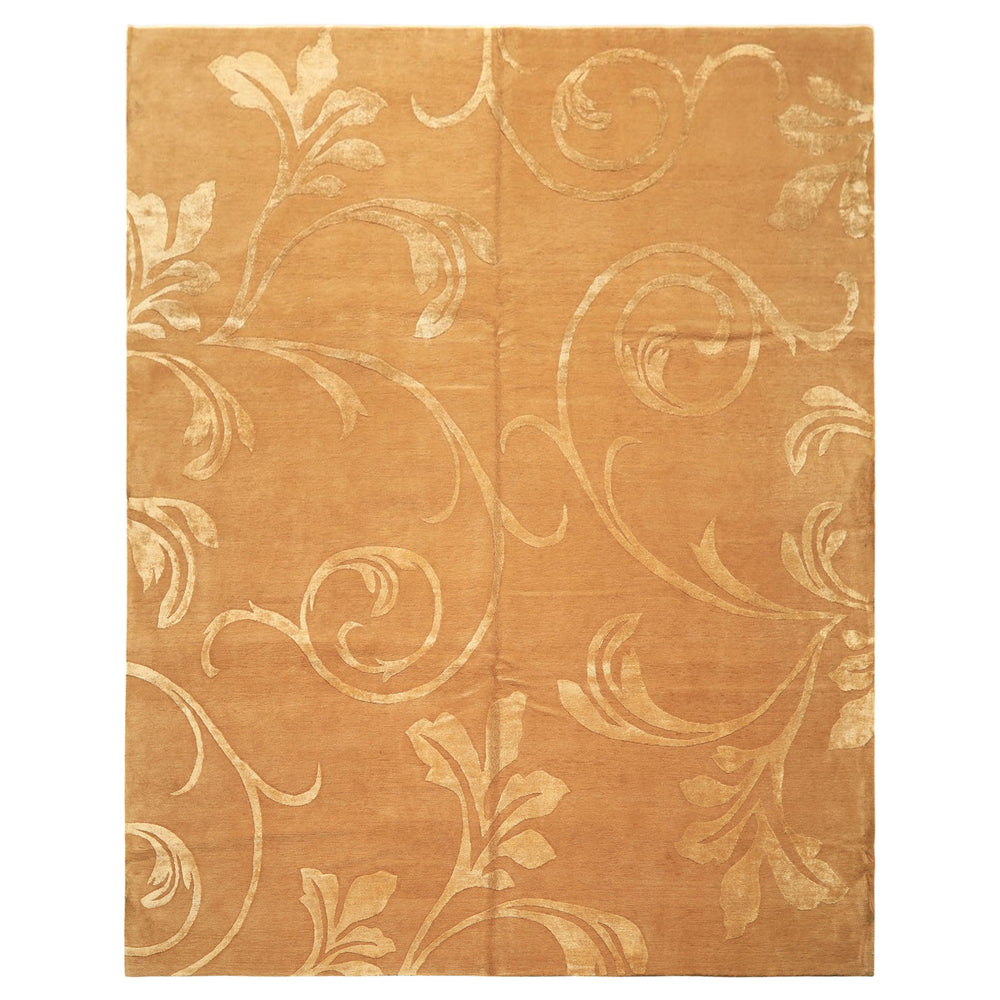
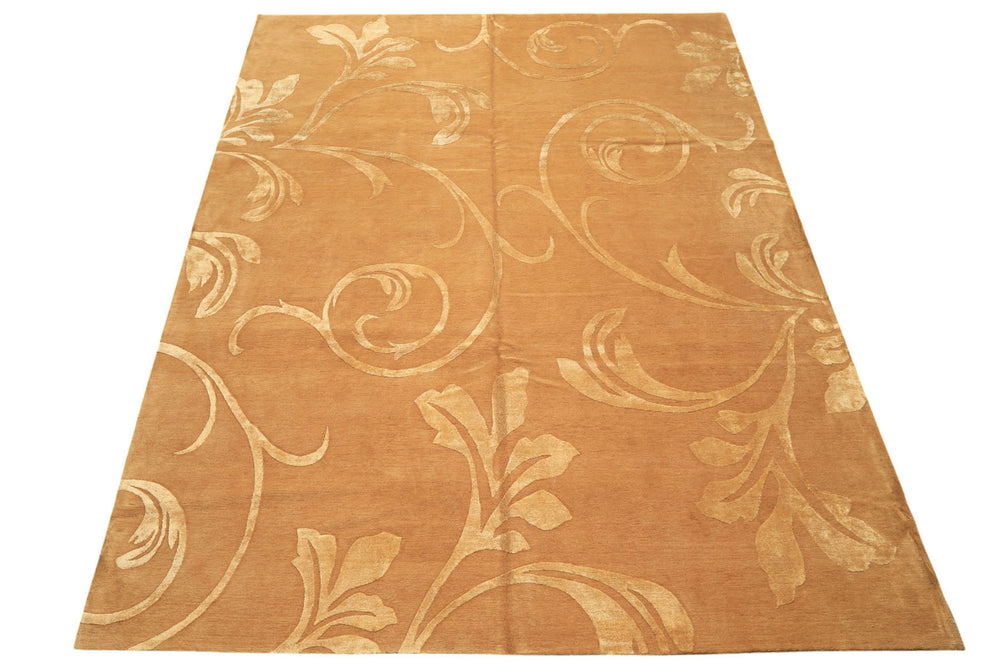
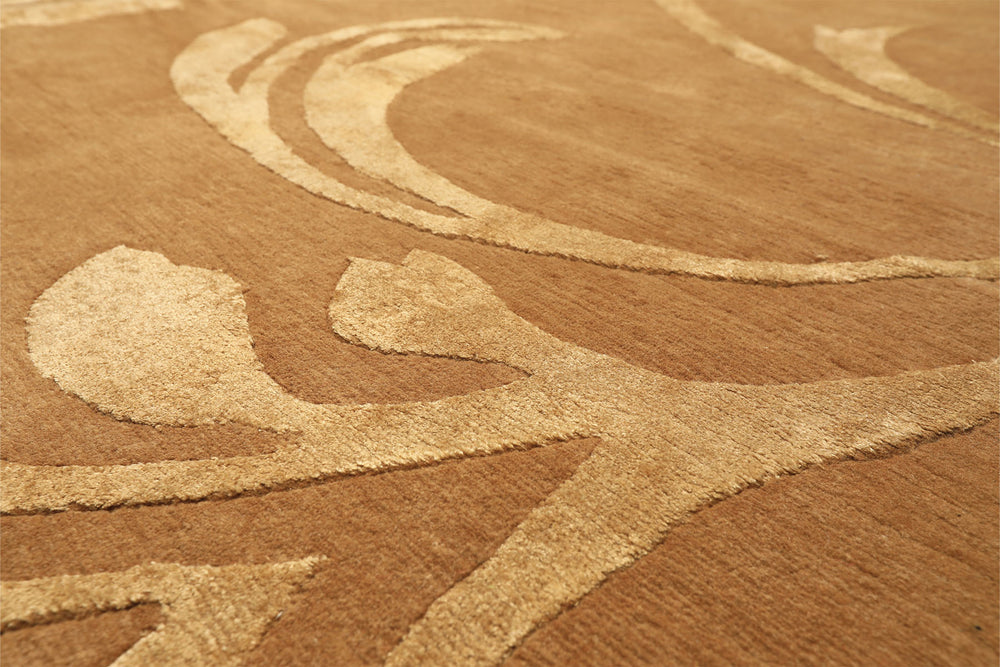
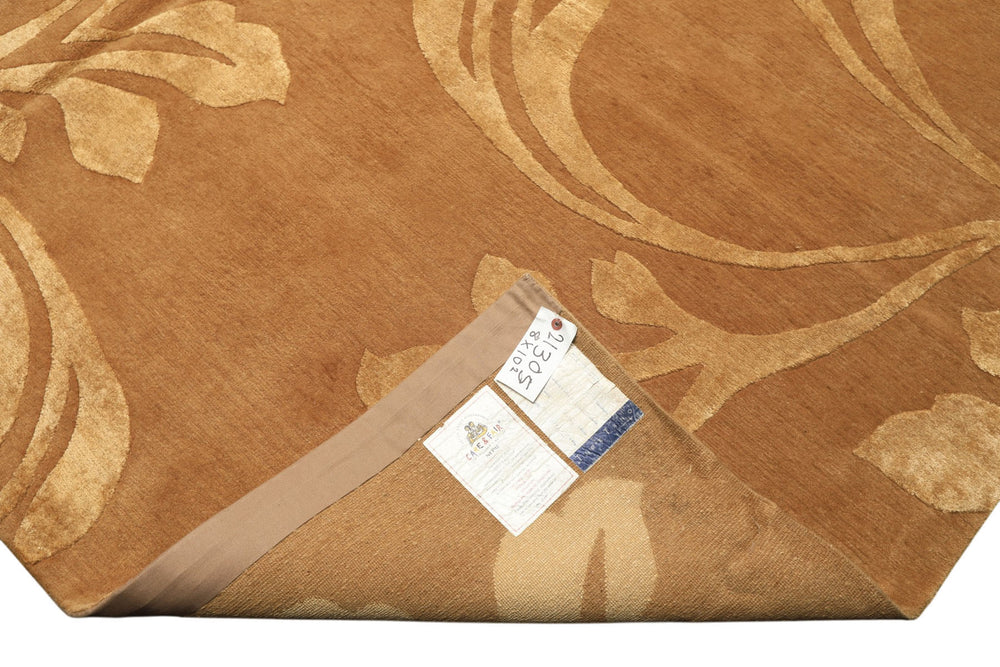
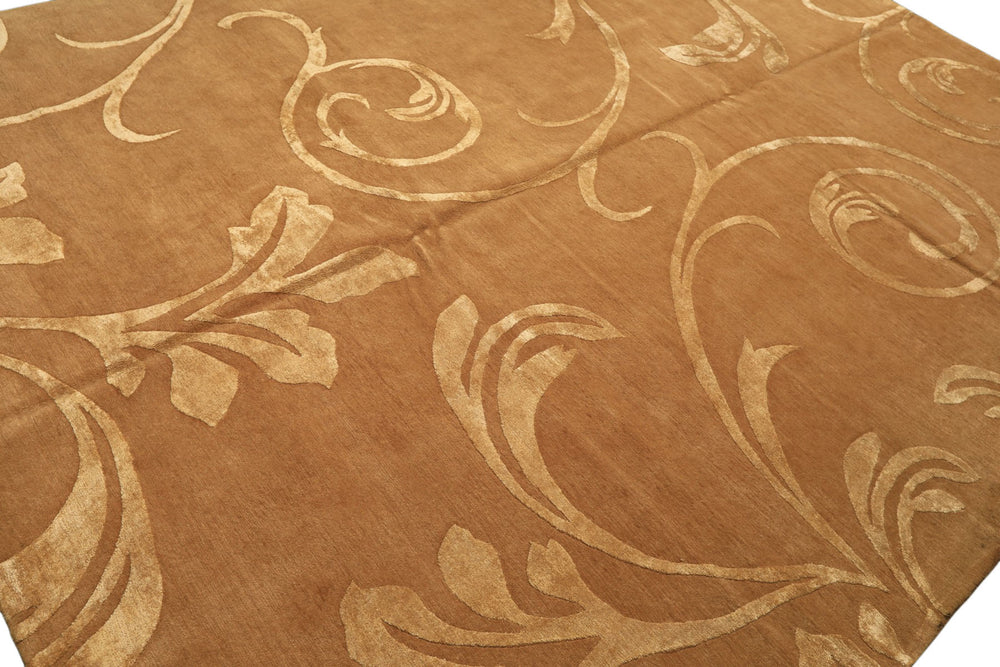
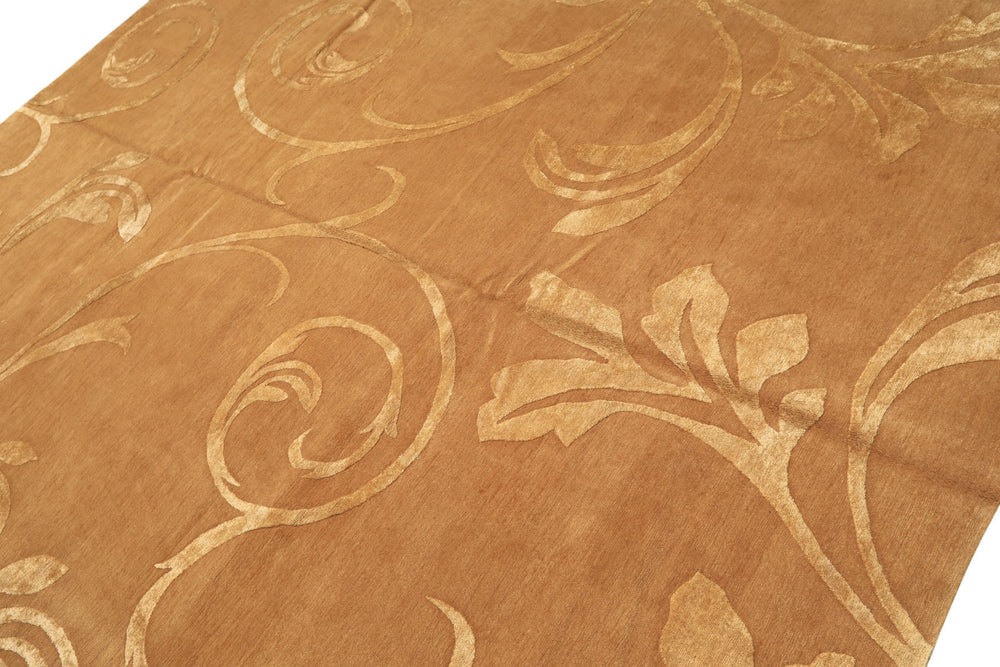
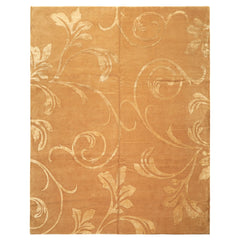
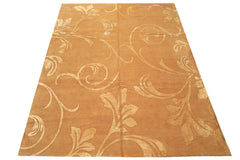
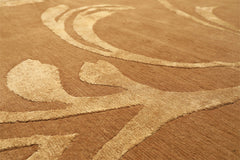
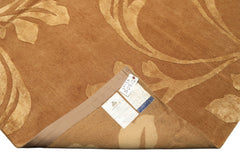
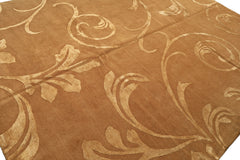
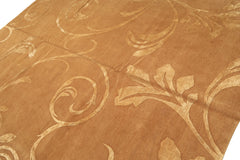
Knotted Rug 8x10 Tone on Tone Gold Hand Knotted Wool and Pure Silk Premium Tibetan Transitional Embossed Botanical Motifs Tibetano Designer Area Rug
- $1,499.99
$4,499.97- $1,499.99
- Unit price
- per
Please hurry! Only 1 left in stock
Subtotal:
$1,499.99
Couldn't load pickup availability


Description
xProduct Details
Product Identification
SKU #: KR21305
Style
Transitional
Design
Embossed
Weave
Hand Knotted
Colors
Primary color is Tone on Tone Gold. Colors in this rug include: .
Material
Wool & Pure Silk
Pile Height
0.4
Collection
Tibetan
Origin
Nepal
Pattern
Botanical
Condition
New
Condition Description
New With Tags
Product Description
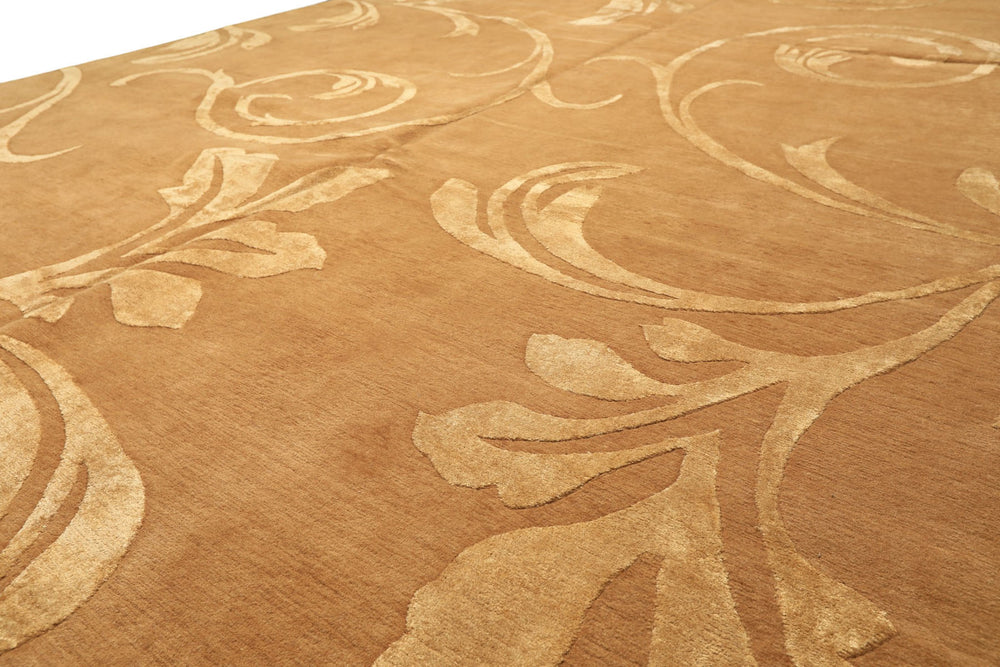
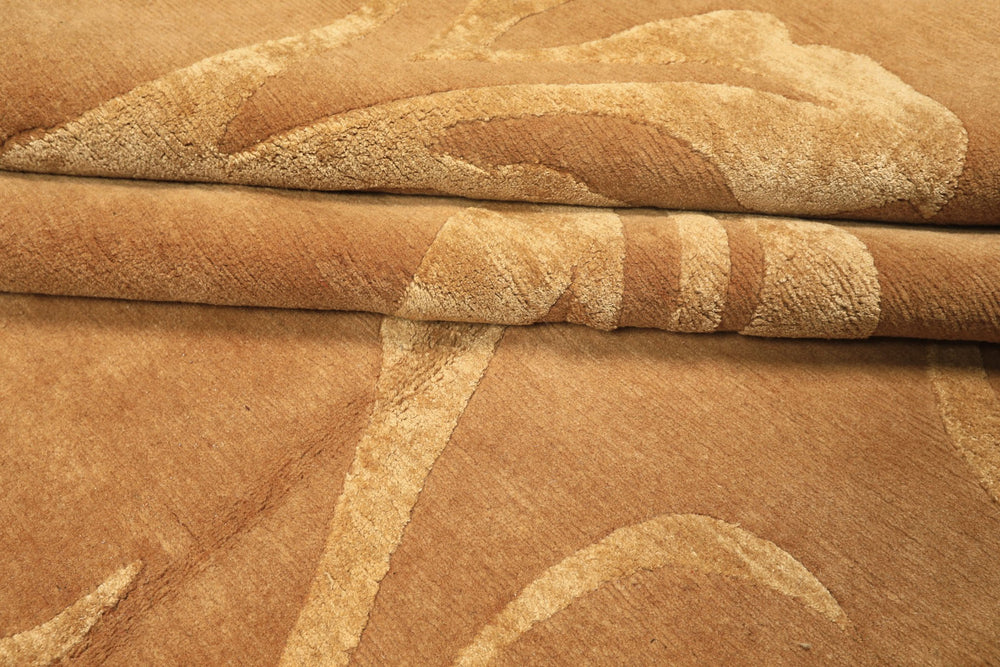
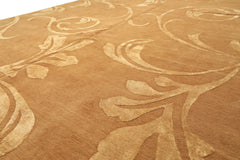
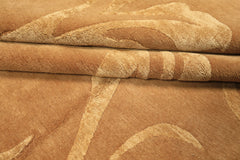
Blending artisan construction with elevated style, expertly hand knotted from wool and pure silk, this Tibetan area rug traces a loose acanthus vine across a welcoming gold field, its curling scrolls and pointed leaves rendered entirely in shifting shades of the same color. Silk against wool is what makes that tone-on-tone effect possible, catching light differently along the raised outlines so the vine appears embossed. The scrollwork itself pulls from a very old decorative vocabulary, acanthus vines have shown up in textiles and carvings for centuries, but the way it's handled here, loose and asymmetrical gives it a more contemporary, transitional feel. That embossed quality is a specialty of premium Tibetan workshops, where the hand knotting is fine enough to carve real texture into the pile without needing a second color to define the pattern. It is an understated rug in terms of palette but a technically demanding one to produce, since every bit of contrast comes from craftsmanship rather than dye. As a Tibetan style handmade wool and silk area rug, it brings durable construction, soft texture, timeless design, and an elegant interior accent to a living room, dining room, bedroom, sitting area, or home office while keeping the original color story and crafted character intact. Please note that, as with most product photography, colors may appear slightly brighter on a screen than they do in natural lighting, so the actual tones may feel a bit softer in person.
Product Story Description
Story Behind the Art: Tibetan weavers have long created rugs that serve practical and decorative roles, translating geometric shapes, auspicious symbols, mythical animals, and natural imagery into designs full of color, harmony, and cultural meaning. The craft experienced a defining shift after 1959 as Tibetan communities moved into Nepal and India, encouraging a commercial revival that allowed the tradition to continue in new weaving centers. By the 1970s, Tibetan rugs had achieved broad recognition, and Nepalese artisans trained alongside Tibetan refugees became essential to the survival and development of the craft. Their hallmark slit-loop weaving process, widely known as the Tibetan knot, forms a pile with impressive depth, softness, and dimension. Today, Tibetan, Nepalese, and Indo-Tibetan handmade rugs include reimagined traditional motifs such as branching florals and snow lions, along with contemporary free-form patterns for modern living spaces.
Related Products
Example product title
- $1,499.99
$4,499.97- $1,499.99
- Unit price
- per
Example product title
- $1,499.99
$4,499.97- $1,499.99
- Unit price
- per
Example product title
- $1,499.99
$4,499.97- $1,499.99
- Unit price
- per
Example product title
- $1,499.99
$4,499.97- $1,499.99
- Unit price
- per
Example product title
- $1,499.99
$4,499.97- $1,499.99
- Unit price
- per
Example product title
- $1,499.99
$4,499.97- $1,499.99
- Unit price
- per
Example product title
- $1,499.99
$4,499.97- $1,499.99
- Unit price
- per
Example product title
- $1,499.99
$4,499.97- $1,499.99
- Unit price
- per
Example product title
- $1,499.99
$4,499.97- $1,499.99
- Unit price
- per
Example product title
- $1,499.99
$4,499.97- $1,499.99
- Unit price
- per
Recently Viewed Products
Example product title
- $1,499.99
$4,499.97- $1,499.99
- Unit price
- per
Example product title
- $1,499.99
$4,499.97- $1,499.99
- Unit price
- per
Example product title
- $1,499.99
$4,499.97- $1,499.99
- Unit price
- per
Example product title
- $1,499.99
$4,499.97- $1,499.99
- Unit price
- per
Example product title
- $1,499.99
$4,499.97- $1,499.99
- Unit price
- per
Example product title
- $1,499.99
$4,499.97- $1,499.99
- Unit price
- per
Example product title
- $1,499.99
$4,499.97- $1,499.99
- Unit price
- per
Example product title
- $1,499.99
$4,499.97- $1,499.99
- Unit price
- per
Example product title
- $1,499.99
$4,499.97- $1,499.99
- Unit price
- per
Example product title
- $1,499.99
$4,499.97- $1,499.99
- Unit price
- per
- Choosing a selection results in a full page refresh.